

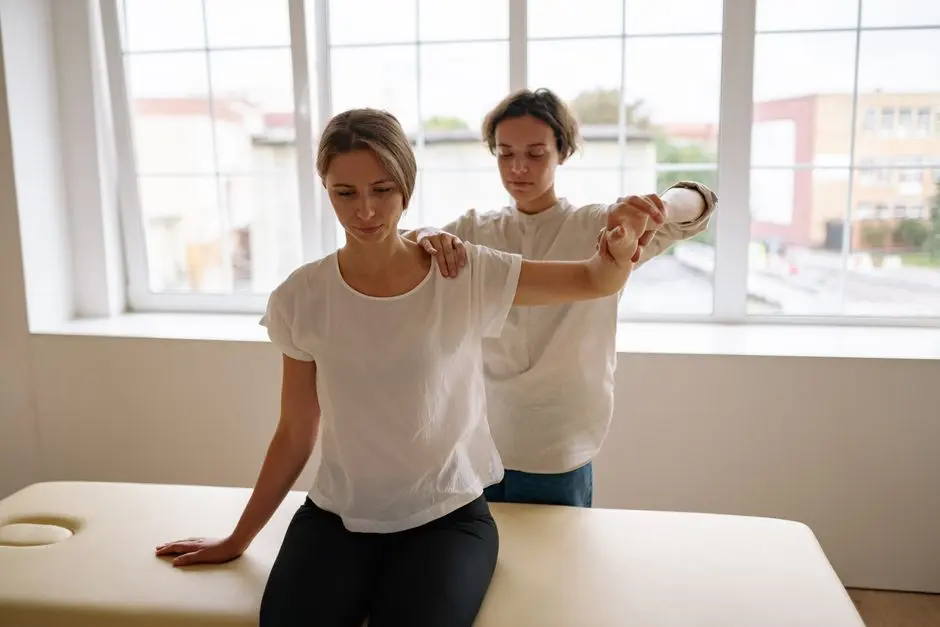
Shoulder pain can be a real nuisance, impacting our daily activities and overall quality of life. Whether it’s from an injury, poor posture, or simply the effects of aging, finding relief is essential. Fortunately, there are several effective exercises that can help alleviate shoulder pain, strengthen the muscles, and improve mobility. In this blog post, I’ll guide you through a series of simple yet effective exercises that you can try at home to ease discomfort and promote better shoulder health.
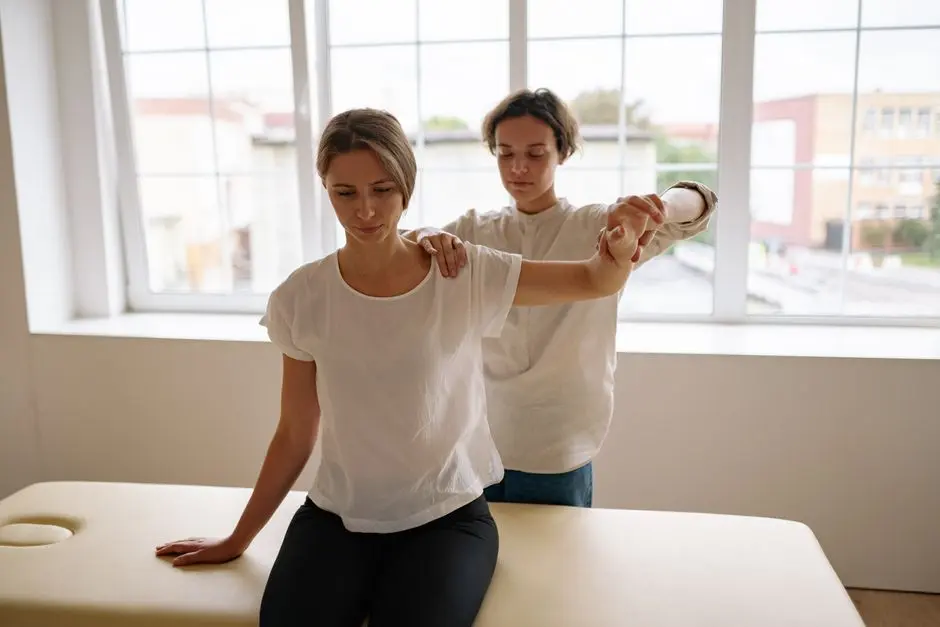
Understanding Shoulder Pain
Before diving into the exercises, it’s important to understand what causes shoulder pain. This section will cover the common culprits such as rotator cuff injuries, tendinitis, and poor posture. I’ll explain how these issues develop and why they lead to discomfort.
Many people underestimate the role that posture plays in shoulder health. Slouching at your desk or leaning forward while using your phone can create tension that leads to pain over time. Understanding this is the first step in combating shoulder pain effectively.
In addition to posture, factors like repetitive motions in sports or activities can exacerbate shoulder pain. I’ll touch on how a little awareness and proactive measures can make a significant difference.
Warm-Up: Preparing Your Shoulders
Warming up is crucial before engaging in any exercise. In this section, I will introduce some gentle warm-up exercises that help increase blood flow and prepare your shoulder muscles for the workouts ahead. These will ensure you’re ready and reduce the risk of injury.
Start with simple shoulder rolls, where you softly rotate your shoulders backward and then forward. This not only feels good but helps loosen tight muscles. Remember, warming up isn’t just about physical preparation; it’s also about mentally gearing up for exercise.
Additionally, dynamic stretches like arm circles can be wonderful for warming up. As you stretch, think about how your shoulders are feeling. This connection is important and can guide your workout routine.
Gentle Stretching Exercises
Stretching helps in improving flexibility and easing tension in the shoulder area. Here, I’ll describe some effective stretches you can do, along with tips on how to perform them safely and correctly.
One fantastic stretch to start with is the cross-body shoulder stretch. Bring one arm across your body and use the opposite arm to gently pull it closer to your chest. Hold this position for about 15-30 seconds and switch sides. You’ll be amazed at how effective this simple stretch can be.
Another essential stretch is the doorway stretch. Stand in an open doorway, place your arms on the doorframe, and lean forward gently. This stretch helps counteract the effects of sitting too much and opens up the chest and shoulders, promoting better posture.
Always remember to breathe deeply during stretches; oxygen is vital for muscle recovery, and focusing on your breath can deepen your stretch and enhance relaxation.
Strengthening Exercises for Shoulder Support
Building strength in your shoulder muscles is key to preventing future pain. This section will include a variety of strengthening exercises that target the shoulders, including resistance band workouts and bodyweight exercises. I’ll explain the proper form to keep you safe and effective.
One of my favorites is the resistance band lateral raise. Stand with your feet shoulder-width apart and hold the band at your sides. As you raise your arms to the side, make sure not to lift above shoulder height. Engaging the right muscles here is crucial.
Push-ups are another excellent exercise to strengthen the shoulders. Modify them if needed by going on your knees, but focus on your form. Keeping your body straight and lowering yourself down while pushing through your shoulders can provide amazing benefits.
Incorporating these exercises into your routine twice a week can significantly enhance your shoulder strength and stability, leading to less pain and greater mobility.
Integrating Mobility Drills
Mobility is essential for functionality in daily tasks. In this section, I will go through some mobility drills designed to enhance your range of motion and keep your shoulders moving freely, making everyday activities easier and pain-free.
A great way to improve shoulder mobility is the wall slide. Stand against a wall with your feet slightly away and slide your arms up and down the wall. This movement encourages the correct pathway of shoulder rotation and strengthens the muscles around the shoulder joint.
Another excellent drill is the shoulder dislocate, often done with a stick or a towel. This may sound scary, but it’s a gentle and effective way to enhance mobility. Remember to use a comfortable width for your grip; the goal is to stretch, not to strain.
Incorporating these mobility exercises a few times a week will improve your symmetry and functional strength, making daily movements smoother and more enjoyable. Plus, the reward of greater ease in movement is well worth the effort!
Creating a Routine: What to Include
Now that we’ve covered specific exercises, it’s time to talk about how to integrate them into your daily life. I’ll provide tips on how to create a balanced routine that includes warm-ups, stretching, strengthening, and mobility work for optimal shoulder health.
Start by dedicating a few minutes each day to these practices. It doesn’t have to be long; even 15 to 20 minutes can make a big difference. Think about scheduling this time just like any other appointment so you carve out the space for your personal health.
One effective way to keep your routine exciting is to rotate the exercises you perform each day. For example, you might focus on mobility one day and strengthening the next. This not only keeps you engaged but helps ensure a comprehensive approach to shoulder health.
Lastly, don’t forget to celebrate your progress. Whether it’s lifting slightly heavier weights or reaching further in your stretches, acknowledging these small victories can add motivation to continue with your routine.
When to Consult a Professional
While exercises can greatly help with shoulder pain, there are times when it’s best to seek professional advice. This section will discuss the signs that indicate when it’s important to consult a physical therapist or physician for further assessment.
If your shoulder pain is severe, persistent, or accompanied by other symptoms like swelling, numbness, or fever, it’s crucial to reach out for help. Ignoring these signs can lead to further complications down the line. Your health is always a priority.
Getting a proper diagnosis can provide clarity and ensure that you’re targeting the right areas with your exercises. Furthermore, a healthcare professional can guide you on techniques and modifications, allowing for a safer exercise experience.
Remember, it’s always okay to seek help. Recovering from shoulder pain is a journey, and you don’t have to go it alone. A professional can provide not only solutions but also reassurance as you navigate this path.
Final Thoughts on Shoulder Health
Incorporating these exercises into your daily routine can be a simple and effective way to alleviate shoulder pain and improve your overall shoulder health. Remember to listen to your body and progress at your own pace. If you experience severe pain or discomfort, be sure to consult with a healthcare professional. Now, go on and give those shoulders some love—they’ll thank you for it!