

Recovering from an injury can be a challenging journey, but with the right approach, you can speed up the healing process and get back to doing what you love. In this article, we will explore nine effective methods to enhance your injury recovery, making it easier for you to navigate this critical time in your life. Let’s dive in!
1. Understanding the Healing Process
By familiarizing yourself with how injuries heal, you can better appreciate the importance of patience during recovery. The healing process comprises several stages, including inflammation, tissue formation, and remodeling. Each stage takes time, and rushing through them can hinder your overall recovery.
It’s essential to recognize that everyone’s healing timeline is unique. What works for one person may not work for another, so be sure to listen to your body. Understanding the natural progression will help you manage your expectations and stay motivated throughout your journey.
2. Setting Realistic Goals
Setting achievable goals ensures you stay motivated and focused during your recovery journey. Start with small milestones, such as walking a little further each day or performing a specific exercise with improved form. These tangible goals can significantly boost your confidence.
As you accomplish these smaller goals, gradually increase the complexity of your objectives. For instance, once you feel comfortable with basic movements, aim to include more challenging exercises that align with your interests or prior activities. Remember, the key is to celebrate your progress, no matter how small.
3. Utilizing Proper Nutrition
Nutrition plays a vital role in recovery, providing your body with the essential nutrients it needs to heal. Incorporating a balanced diet rich in vitamins, minerals, and proteins can expedite the recovery process. Foods high in vitamin C, like oranges and strawberries, aid in collagen production, essential for repairing tissue.
Don’t forget about healthy fats! Incorporating sources such as avocados and nuts can combat inflammation and support overall joint health. Moreover, aim to include enough protein, as it helps rebuild muscles and tissues effectively. Consider consulting a nutritionist for personalized advice tailored to your needs.
4. Incorporating Physical Therapy
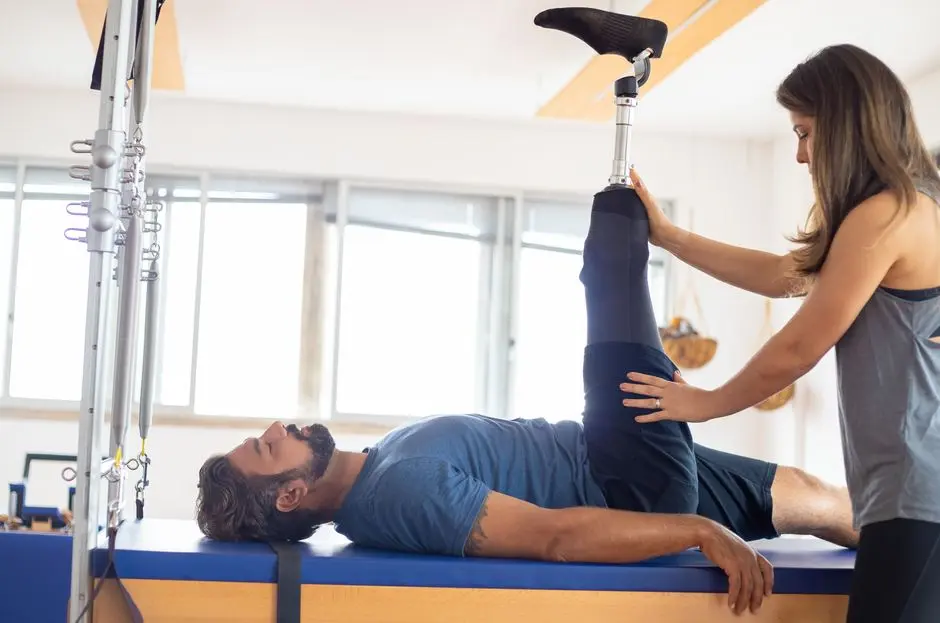
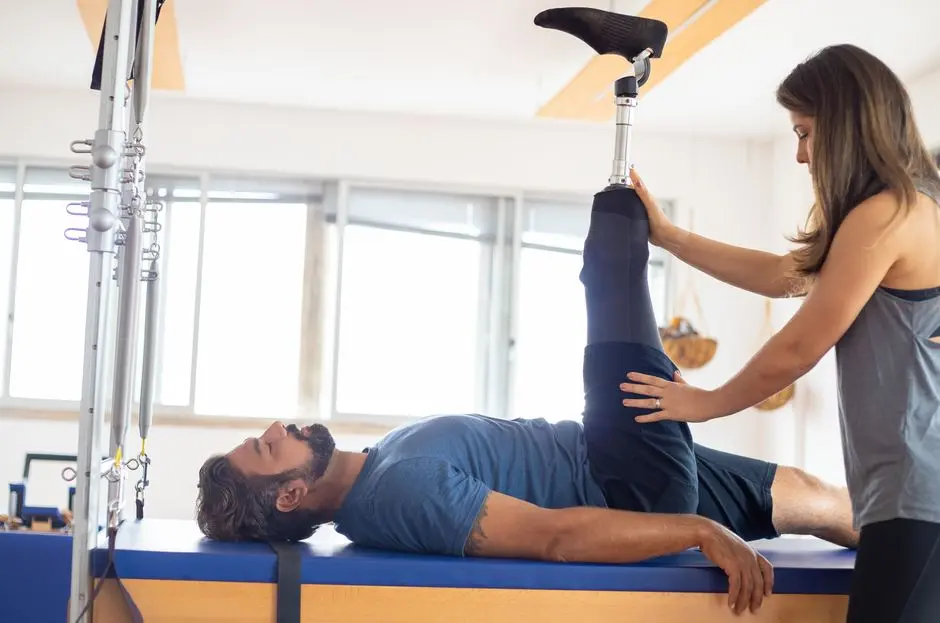
Working with a physical therapist can facilitate a guided recovery process and help rebuild strength safely. A therapist can assess your condition, create a tailored recovery plan, and provide hands-on care to expedite your healing. They can introduce exercises that promote flexibility and strength while preventing further injury.
Additionally, physical therapy often incorporates modalities like ultrasound or electrical stimulation, enhancing healing by promoting blood flow and alleviating pain. Remember, consistency is key! Regular attendance at your therapy sessions and diligently practicing at home will yield the best results.
5. Managing Pain Effectively
Finding effective pain management strategies contributes to an overall improved recovery experience. Many people rely on medications prescribed by their doctors, but complementary methods can also make a difference. Techniques like ice application and heat therapy can alleviate discomfort, helping you feel more comfortable during recovery.
Furthermore, exploring non-pharmaceutical approaches, such as deep breathing exercises or guided imagery, can reduce stress and improve your perception of pain. Staying informed about your pain management options empowers you to choose the most suitable methods for your personal recovery journey.
6. Resting and Allowing Time to Heal
Rest is paramount; your body needs time to repair itself, so don’t rush the healing process. It’s easy to feel frustrated when progress seems slow, but remember that healing takes time—it’s a marathon, not a sprint. Prioritize quality rest periods along with periods of gradual activity to maintain a balanced approach.
Establish a relaxing routine that includes adequate sleep and breaks throughout your day. Engage in activities that do not strain your injury but allow your mind to escape. This could include reading, watching movies, or practicing light mindfulness techniques. This balance of rest and gentle engagement can make a tremendous difference in how you feel.
7. Staying Hydrated
Hydration aids in recovery by ensuring that your body functions optimally and can heal effectively. Water plays a crucial role in maintaining joint function, transporting nutrients, and minimizing inflammation. As you focus on your injury recovery, make it a habit to drink plenty of fluids throughout the day.
In addition to water, consider incorporating hydrating foods like cucumbers, watermelon, and oranges into your diet. Tracking your water intake can also be beneficial; aim for at least eight glasses daily, and filter your way to better health!
8. Engaging in Mindfulness Practices
Mindfulness can help reduce stress and improve your mental outlook during the recovery phase. Techniques such as meditation, yoga, or deep breathing not only promote relaxation but also allow you more significant emotional control. When you are in a calmer state, your body can relieve stress, aiding healing.
Incorporating just a few minutes of mindfulness into your daily routine can lead to profound benefits. Consider setting aside time each day for focused breathing or gentle stretches. Even short mindful moments can ground you in the present and provide relief along your recovery path.
9. Listening to Your Body’s Signals
Being attuned to what your body is telling you can help prevent further injury and promote a safer recovery. Pay attention to signs of pain, fatigue, and discomfort—these messages are your body’s way of telling you to slow down or adjust your activities. Learn to differentiate between normal discomfort and signs that require immediate attention.
Having a good network of support, such as friends, family, or even healthcare professionals, can help you stay connected. They can offer perspective and guidance when you’re unsure. Ultimately, always remember that it’s okay to ask for help; your well-being should be your primary concern!