

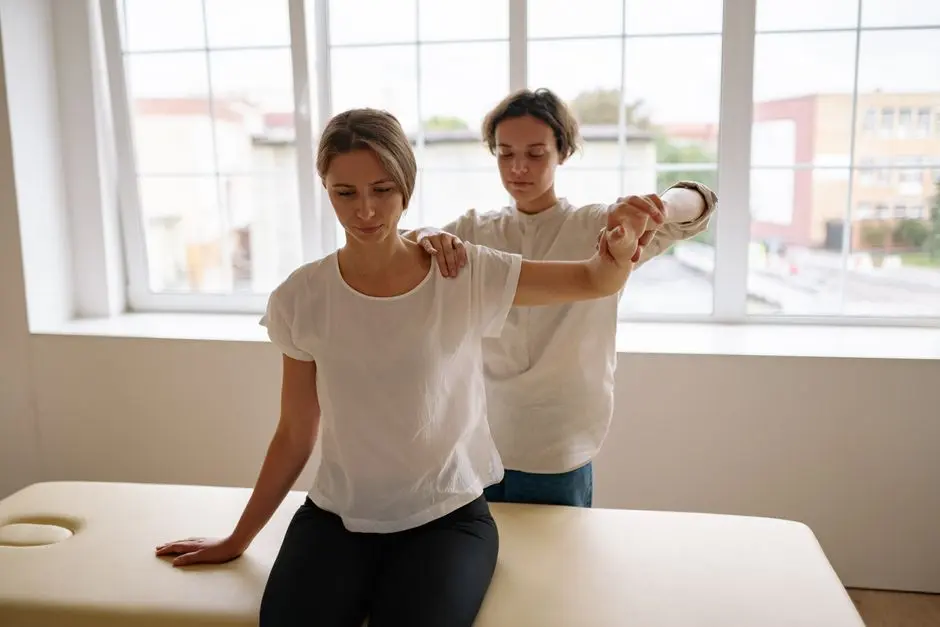
This blog explores the effectiveness of manual therapy for treating sports injuries. Whether you’re an athlete, a coach, or someone who enjoys physical activities, understanding the benefits and limitations of manual therapy can help you make informed decisions about recovery and care.
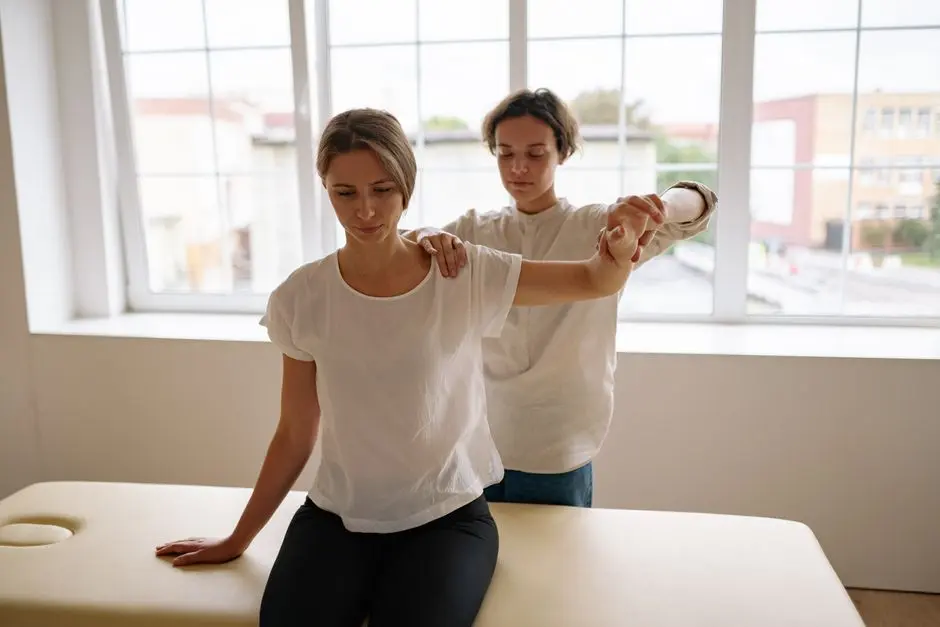
What is Manual Therapy?
Manual therapy is a hands-on treatment approach that involves manipulating muscles and joints to alleviate pain, increase mobility, and promote healing. It encompasses various techniques, including massage, stretching, and joint mobilization.
In essence, manual therapy prioritizes the relationship between the body’s mechanics and your overall well-being. By targeting specific areas of tension or restriction, practitioners can facilitate recovery and improve functional movement.
Another notable aspect of manual therapy is its versatility. It can be adapted to meet individual needs, whether you’re an elite athlete or someone recovering from a weekend sports injury. This personalized approach often makes the treatment more effective.
How Does Manual Therapy Help with Sports Injuries?
Manual therapy can help sports injuries by reducing pain and inflammation, improving circulation, and enhancing overall flexibility. These benefits can contribute to faster recovery times and better performance.
Reducing pain is one of the primary ways manual therapy assists in recovery. Techniques like deep tissue massage not only help soothe sore areas but also release tension that could lead to more significant issues down the line.
Moreover, improved circulation thanks to manual therapy fosters quicker healing. By increasing blood flow to injured areas, oxygen and nutrients are delivered more effectively, supporting the body’s natural repair processes.
Flexibility is key for athletes, and manual therapy often enhances this aspect significantly. Techniques designed to promote full range of motion can be essential for both preventing injuries and ensuring optimal performance on the field or court.
What Types of Sports Injuries Can Benefit from Manual Therapy?
Common sports injuries such as sprains, strains, tendinitis, and muscle soreness can often be effectively treated with manual therapy. It is particularly beneficial for both acute and chronic conditions.
For instance, a sprained ankle can cause discomfort and hinder performance. Manual therapy can be effective in alleviating pain and regaining mobility swiftly, enabling athletes to return to their regular training routines sooner.
Strains, particularly in the hamstring or quadriceps, are also common among athletes. Manual therapy techniques focusing on the affected muscles can reduce tightness and facilitate a quicker recovery, allowing athletes to maintain peak performance.
Another benefit of manual therapy lies in addressing tendinitis, which often plagues athletes in repetitive sports such as tennis or golf. By relieving tension in the surrounding muscles, manual therapy aids in easing the associated pain and stiffness.
When Should You Consider Manual Therapy for an Injury?
Consider manual therapy if you’re experiencing persistent pain, limited range of motion, or if traditional treatments have not been effective. It’s always wise to consult with a healthcare professional to evaluate if manual therapy is appropriate for your specific case.
If you notice that your usual recovery methods aren’t yielding results, it may be time to explore alternative options. Manual therapy is often a valuable addition to conventional treatments, giving you a broader toolbox for recovery.
Further, if you’re an athlete preparing for an important event, receiving manual therapy can help ensure your body is functioning optimally. Think of it as tuning up your car—ensuring every part runs smoothly ahead of the big race.
Are There Any Risks or Considerations?
While manual therapy is generally safe, there are risks involved, particularly if performed by an unqualified practitioner. Always ensure your therapist is licensed and experienced. Discuss any concerns before beginning treatment.
It’s essential to communicate openly with your therapist about your medical history and any existing conditions. This dialogue ensures that the techniques used are safe and tailored to your needs.
If you’re currently experiencing acute pain, it’s best to approach manual therapy with caution. It might be advisable to consult with a physician to rule out any serious underlying conditions requiring different treatments.
What Should You Expect in a Manual Therapy Session?
During a manual therapy session, the therapist will assess your condition, discuss your symptoms, and tailor the treatment to your needs. Sessions can include various techniques and typically last between 30 minutes to an hour.
Expect a collaborative approach—your therapist should encourage you to share your thoughts and feelings throughout the session. This engagement helps refine the treatment and enhances overall effectiveness.
Finally, don’t hesitate to ask questions. Whether it’s about the techniques being employed or the expected outcomes, understanding your treatment can empower you in your recovery journey.
Final Thoughts
In conclusion, manual therapy can be a beneficial component of a comprehensive treatment plan for sports injuries. While it may not be a one-size-fits-all solution, it offers various advantages that can aid in recovery and performance enhancement. If you’re dealing with a sports-related injury, consider consulting a qualified therapist to explore if manual therapy is right for you.