


Learn 7 key tips for a successful joint replacement recovery. Get insights on pain management, physical therapy, and lifestyle adjustments to optimize healing.

How Does Physio in Kanata Support Stroke Recovery?
Learn how physio in Kanata can aid in stroke recovery. Physiotherapy plays a crucial role in helping stroke survivors regain mobility, strength, and independence.

Unlocking the Benefits of Personalized Care in Physiotherapy
Learn how personalized physiotherapy treatment plans can improve patient outcomes and recovery times. Discover the advantages of tailored care for various musculoskeletal conditions.
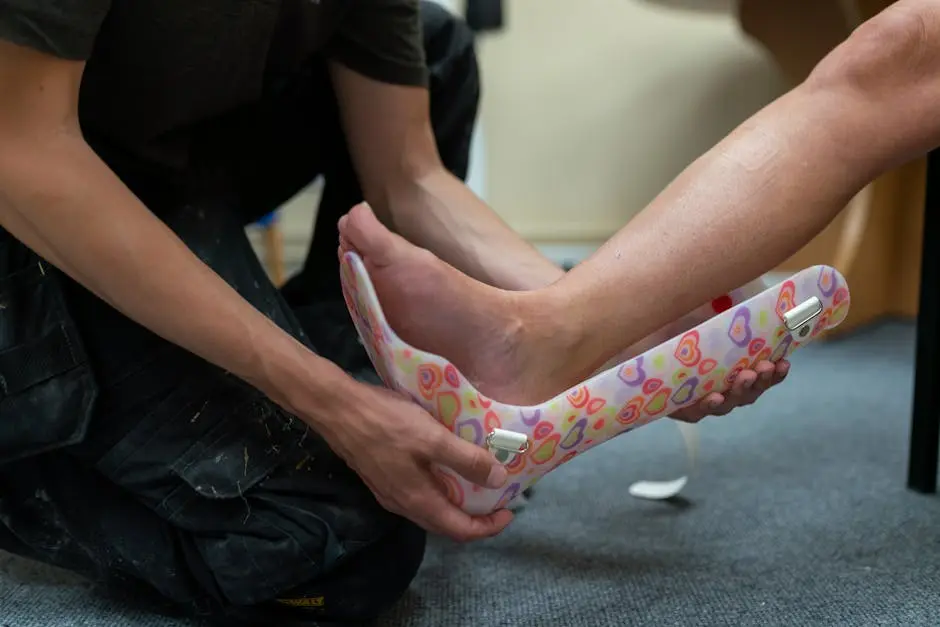
Custom Orthotics and Their Impact on Pain Relief and Recovery
Learn how custom orthotics can provide effective pain relief and support recovery from various conditions. Discover the benefits of personalized orthotics for improved comfort and mobility.

Understanding the Benefits of Custom Orthotics for Daily Comfort
Learn about the benefits of custom orthotics and how they can improve your daily comfort and support foot health.

12 Common Myths About Dry Needling Debunked
Learn the truth about dry needling as we debunk 12 common myths surrounding this increasingly popular treatment technique for pain relief and muscle dysfunction.

How Does Pediatric Therapy Differ from Adult Therapy?
Learn about the key differences between pediatric therapy and adult therapy. Discover how pediatric therapists adapt their approach to meet the unique developmental needs of children.


Finding the Right Physiotherapy Clinic in Kanata – A Complete Guide
If you’re searching for the best physiotherapy clinic in Kanata, having the right one may be the difference between a successful recovery and a frustrating experience. Whether you’re recovering from a sports injury, chronic pain, or post-surgical rehabilitation, choosing the right clinic ensures that you receive professional care tailored to your needs.
In this guide, we will lead you through the most critical points to note in selecting a physiotherapy clinic in Kanata to help you make the proper decision.

1. Check for Qualified and Experienced Physiotherapists
The foundation of any established physiotherapy clinic in Kanata is the staff. Look for registered physiotherapists with experience in treating a variety of conditions. Clinics with experts who specialize in fields like sports physio, post-surgery rehab, and pain management can provide specialist treatment plans.
2. Look for Personalized Treatment Plans
Every patient’s condition is unique, and a top-notch physiotherapy clinic in Kanata should have customized treatment plans based on a proper assessment. With manual therapy, exercise therapy, or acupuncture, you can be assured of a quick and effective recovery through customized care.
3. Consider the Range of Services Offered
A well-equipped clinic should provide comprehensive physiotherapy services, including:
- Sports physiotherapy for injury prevention and rehabilitation
- Rehabilitation therapy for surgery and chronic conditions
- Exercise programs and manual therapy to regain strength and mobility
- Acupuncture and electrotherapy to cure and relieve pain
Choosing a clinic that offers more than one service ensures that you get holistic care all under one roof.
4. Check Patient Reviews and Testimonials
Ratings and reviews provide excellent information on how popular a clinic is. Look for patient reviews that have been treated for the same or similar conditions as yours. A high rating from a highly recommended physiotherapy clinic in Kanata means a higher likelihood of getting excellent care.

5. Convenience and Accessibility
Location and clinic hours are crucial when committing to ongoing physiotherapy sessions. Choose a clinic that is strategically located in Kanata and offers flexible times, like evening or weekend visits, to suit your schedule.
6. Direct Billing and Insurance Support
Physiotherapy treatments may be costly, so it’s best to select a clinic that offers direct billing to insurance providers. This way, payments are convenient and you can focus on healing without worrying about the cost.
7. Advanced Technology and Latest Techniques
One of the top physio clinics in Kanata ought to utilize contemporary technology and evidence-based methods in an effort to ensure recovery. Physio clinics that invest in cutting-edge rehabilitation technology have improved and more convenient forms of treatment.
Conclusion
Choosing the right physiotherapy clinic in Kanata requires careful consideration of the experience of the clinic, services offered, patient reviews, and convenience. By opting for a trusted clinic with skilled physiotherapists and personalized care, you can accelerate your recovery and improve your overall well-being.
If you require professional physiotherapy treatment in Kanata, book an appointment with a trusted clinic today and start your path to a pain-free life.

Physiotherapy for Back Pain in Kanata: What to Expect and How It Helps
Back pain is a common issue that affects people of all ages, and it can range from mild discomfort to severe pain that affects your daily life. Whether it’s from sitting at a desk for long hours, lifting something incorrectly, or a more serious injury, back pain can severely limit your mobility and quality of life. Fortunately, physiotherapy for back pain in Kanata offers a natural, effective way to manage and relieve this condition. In this blog, we’ll dive into what you can expect during physiotherapy for back pain, how it works, and how it can help you feel better.
Understanding Back Pain
Back pain can be caused by a variety of factors including muscle strain, poor posture, disc problems, or even stress. The lower back (lumbar spine) is particularly vulnerable to pain due to its function in supporting much of the body’s weight. A sedentary lifestyle, poor posture, and overexertion can exacerbate these issues. But no matter the cause, physiotherapy can be an essential treatment for easing the pain and preventing it from recurring.
What Is Physiotherapy and How Can It Help?
Physiotherapy is a type of healthcare that focuses on helping people restore their movement and function after injury, illness, or surgery. For back pain, physiotherapists employ a variety of techniques aimed at reducing pain, improving strength, flexibility, and preventing future injuries.
Some of the key benefits of physiotherapy for back pain include:
- Pain Relief: Physiotherapists use manual techniques such as massage and joint mobilization to reduce pain and inflammation.
- Improved Mobility: Specific exercises help increase range of motion and flexibility in the spine, hips, and surrounding muscles.
- Muscle Strengthening: By targeting weak muscles, physiotherapy helps strengthen the muscles that support your back, reducing strain.
- Posture Correction: A significant cause of back pain is poor posture. Physiotherapists can guide you in making postural adjustments to reduce pressure on the spine.
- Prevention of Recurrence: Once pain is managed, physiotherapists work with you to develop a long-term plan for strength-building and posture improvement, minimizing the risk of future back pain.
What to Expect During Physiotherapy for Back Pain in Kanata
If you’re considering physiotherapy for back pain in Kanata, here’s a general idea of what you can expect during your treatment journey:
1. Initial Consultation and Assessment
Your first visit will likely involve a thorough assessment by the physiotherapist. They will ask you detailed questions about your medical history, the nature of your pain, and any activities that may have caused or aggravated it. The physiotherapist will also observe your posture, range of motion, and muscle strength. This initial consultation is essential for understanding your specific condition and needs, helping them create a personalized treatment plan.
2. Manual Therapy Techniques
Manual therapy is a hands-on approach used by physiotherapists to treat musculoskeletal pain and dysfunction. For back pain, the therapist may use techniques such as:
- Joint Mobilization: Gentle movements to improve spinal joint movement and reduce stiffness.
- Soft Tissue Mobilization: Techniques like massage to reduce muscle tightness and improve circulation.
- Myofascial Release: Focusing on relieving tension in the fascia (connective tissue) that surrounds muscles.
3. Exercise Prescription and Rehabilitation
After assessing your condition, your physiotherapist will prescribe specific exercises to target weak or tight muscles. These exercises are designed to:
- Strengthen Core Muscles: A strong core helps support the spine and reduce strain on the lower back.
- Stretch Tight Muscles: Regular stretching can improve flexibility and reduce muscle tension that contributes to back pain.
- Improve Posture: Through targeted exercises, you can learn to sit, stand, and move in ways that alleviate pressure on your back.
4. Posture and Ergonomic Education
For many individuals, poor posture or improper ergonomics can contribute to back pain. A physiotherapist can guide you in how to set up your workspace, improve your sitting and standing posture, and provide tips for lifting and bending safely to prevent injury.
5. Progress Monitoring and Adjustments
Physiotherapy for back pain is not a one-time fix. The physiotherapist will continuously monitor your progress and make adjustments to your treatment plan based on your improvement and any challenges you may face along the way. This could involve tweaking exercises, adding new techniques, or addressing new concerns that arise during treatment.

How Long Does Physiotherapy for Back Pain Take?
The duration of physiotherapy for back pain depends on the severity of the condition and the individual’s progress. Typically, you may need to attend 1-2 sessions per week for a few weeks, but this can vary. Most people begin to notice improvement within a few sessions, especially when they commit to the exercises and lifestyle changes recommended by their physiotherapist.
Why Choose Physiotherapy in Kanata?
Kanata is home to many experienced and qualified physiotherapists who specialize in treating a wide range of musculoskeletal conditions, including back pain. These professionals understand the unique needs of the local community and offer personalized treatment plans to help individuals return to their normal activities as soon as possible. Whether you’re dealing with chronic pain or a recent injury, physiotherapists in Kanata are well-equipped to help you on your road to recovery.
Conclusion: A Natural Approach to Back Pain Relief
Physiotherapy offers a comprehensive, natural, and non-invasive treatment option for managing back pain in Kanata. Through a combination of manual therapy, exercise, education, and long-term prevention strategies, physiotherapists can help you find relief from pain, improve mobility, and avoid future back issues. If you’re struggling with back pain, reaching out to a physiotherapist in Kanata could be the first step towards a healthier, pain-free future.
By following a tailored physiotherapy plan, you can regain control over your back health and get back to doing the things you love without constant pain holding you back. Make an appointment with a physiotherapist today and take the first step toward a pain-free life!