

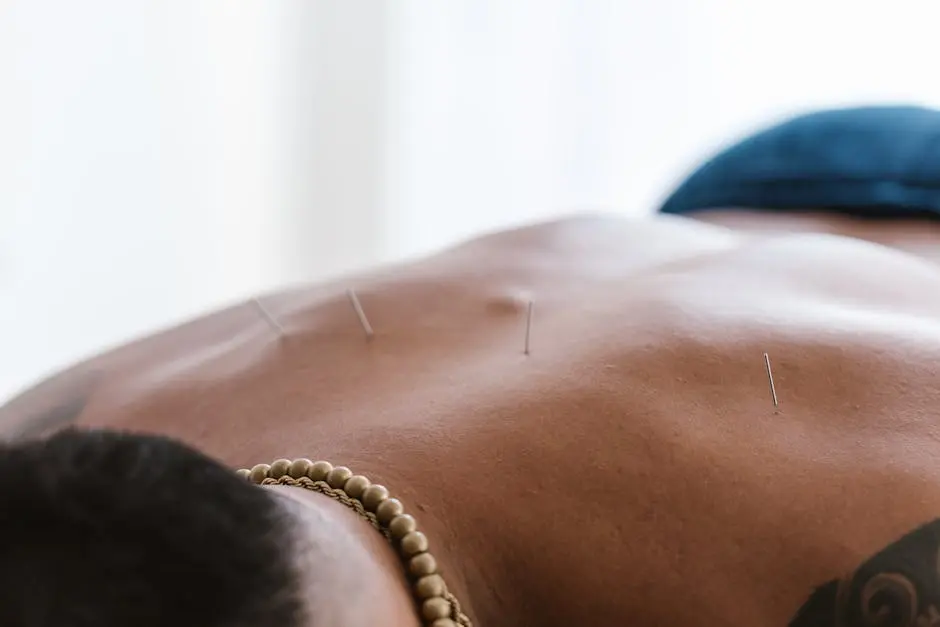
Dry needling is a therapeutic technique that has gained popularity in recent years, but with that popularity comes a host of myths and misunderstandings. In this article, we’ll explore and debunk some of the most common myths about dry needling, helping you to better understand what it is, how it works, and who can benefit from it.
1. Dry Needling is the Same as Acupuncture
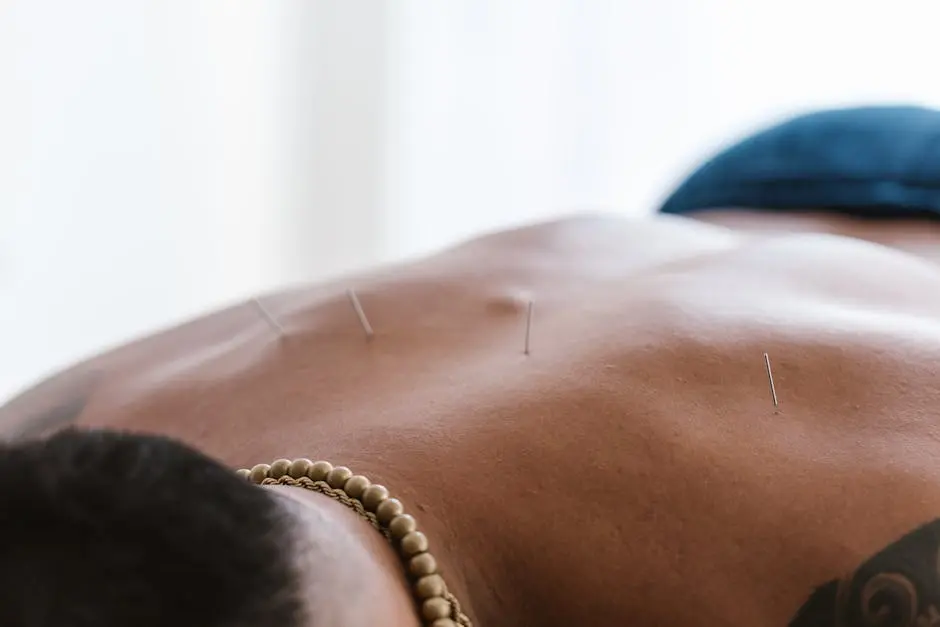
Many people confuse dry needling with acupuncture, but while both involve the use of needles, their techniques and purposes are quite different. Acupuncture, which has been practiced for thousands of years, is rooted in traditional Chinese medicine and focuses on balancing the body’s energy, or ‘qi.’ On the other hand, dry needling is based on Western anatomical and physiological principles, primarily targeting trigger points in muscle tissue. This distinction is crucial to understand as it influences the way each method impacts the body.
In dry needling, practitioners aim to relieve pain and improve mobility by inserting needles into specific muscle knots or tight areas. This can lead to a local twitch response, which helps release tension. While acupuncture might focus on broader energy pathways, dry needling hones in on muscle dysfunction. Therefore, if you’re considering treatment, it’s essential to know which approach best suits your needs.
2. It Only Relieves Muscle Pain
Dry needling is known for muscle pain relief, but it can also address various conditions, including tension headaches and myofascial pain syndrome. It’s a common misconception that its benefits are limited solely to muscle issues. In reality, the release of muscle knots can also alleviate pain radiating to other areas, providing an unexpected level of pain management.
Moreover, many clients report improvements in their overall well-being after a session, as the relaxation experienced following treatment can lead to enhanced mood and reduced stress. It’s fascinating how the body responds not just physically but also emotionally to effective treatment, highlighting the interconnectedness of our systems.
3. It’s a Painful Process
Many people worry that dry needling will be painful, but most find it to be a relatively comfortable experience once they understand the technique. Contrary to popular belief, the fine needles used in dry needling create little to no pain upon insertion. Most discomfort arises from the tension release triggered by the treatment itself. When the needle hits a trigger point, the sensation can be surprising, often compared to a ‘good hurt,’ signaling the release of tight muscles.
It’s important to communicate with the practitioner throughout the session. They can adjust their technique based on your comfort level, ensuring a positive experience. As with any physical treatment, individual responses may vary, but most clients leave feeling an immediate sense of relief, and that’s something worth celebrating!
4. Only Physical Therapists Can Perform Dry Needling
While physical therapists are commonly trained in dry needling, it’s also utilized by chiropractors and trained physicians, depending on state regulations. This opens the door for various healthcare professionals to incorporate dry needling into their practice, potentially expanding your options for treatment. By understanding who is qualified to perform this technique, you can seek out the right professional for your needs.
As healthcare continues to evolve, more disciplines are recognizing the benefits of dry needling, prompting a growing number of practitioners to receive training. This intersection of traditional and modern techniques allows for a well-rounded approach to pain management and rehabilitation.
5. It’s a One-Size-Fits-All Treatment
Each individual’s body and pain patterns are unique, and dry needling treatment plans should be tailored accordingly to achieve optimal results. This popular myth overlooks the complexity of human anatomy and how different conditions may require different techniques or needle placements.
An initial assessment by a skilled practitioner ensures that your specific symptoms and health history are taken into account. Personalization is key; what works for one person might not be effective for another. This individualized approach not only improves treatment outcomes but also aids in building a trusting relationship between client and practitioner.
6. After Treatment, Pain Will Disappear Immediately
Some individuals may experience immediate relief, while for others, the benefits may take a few sessions to manifest. It’s important to manage expectations after receiving treatment. The healing process can be gradual, and for some, a cumulative effect emerges with repeated sessions.
Rather than anticipating instant results, think of dry needling as a part of a broader approach to pain management. Alongside stretching, strengthening exercises, and proper rest, it can play a vital role in achieving long-lasting relief. Patience is a virtue in the healing journey!
7. It’s Dangerous and Can Cause Injury
When performed by a licensed professional, dry needling is considered safe, with minimal risks of injury. This myth often circulates due to misconceptions about needle usage and the treatment itself. In actuality, the needles are hair-thin and designed for therapeutic purposes, which contrasts sharply with the larger needles used for injections.
Moreover, qualified practitioners are well-trained to ensure that the procedure is conducted safely and effectively. By choosing a provider who adheres to industry standards, you can put your mind at ease and focus on what really matters: your path to recovery.
8. You Need to Be an Athlete to Benefit from Dry Needling
Dry needling can help anyone experiencing muscle tightness and pain, regardless of their activity level or sport involvement. This notion that it is only for athletes can deter many from seeking relief. In reality, anyone can suffer from muscle tension, whether due to office work, caregiving, or simply everyday stressors.
Being proactive about muscle health is important for everyone, and dry needling provides an accessible option for pain management. It encourages individuals from all walks of life to address their discomfort and reintegrate into daily activities without the burden of chronic pain.
9. It’s Just a Trend and Won’t Last
Far from being a passing trend, dry needling has been supported by research and is increasingly recognized in the medical community for its benefits. This myth underestimates the extensive body of evidence that backs the effectiveness of dry needling in treating various musculoskeletal conditions.
As more studies emerge, they bolster its legitimacy as a treatment modality. With a growing number of practitioners advocating its use, dry needling is becoming part of mainstream therapy options, proving that it’s here to stay.
10. It’s Only Effective for Chronic Pain
Dry needling can be effective for both chronic and acute pain conditions, making it a versatile treatment option. While it’s often noted for its effectiveness in managing long-term issues, acute injuries such as sports strains and sudden muscle spasms can also benefit significantly from this technique.
By addressing muscle tension early, dry needling can prevent further complications, allowing individuals to recover more swiftly. This broadens its appeal and increases the likelihood that more people will consider dry needling as a part of their pain management toolkit.
11. You Have to Go in for Many Sessions
The number of sessions needed varies by individual and condition; some people may find relief in just a couple of visits. Because everyone’s body responds differently to treatment, it’s hard to pin down an exact number of sessions required for everyone.
During initial consultations, practitioners will assess your situation and provide a tailored recommendation based on your specific needs. Often, clients find a significant reduction in pain after just one or two sessions, while others may benefit from ongoing treatments. The key is to stay flexible and watch how your body responds.
12. All Needles Used Are the Same
Dry needling uses very fine needles, different from those used in injections or drawing blood, making the experience less intimidating. Many people are understandably anxious about needles, but knowing that these are considerably thinner can offer some reassurance. The design of these needles prioritizes precision and comfort, enhancing the overall experience.
Additionally, these needles are coated for smooth insertion, which further minimizes discomfort during the process. By understanding the specifics of what is used, you may feel more at ease when considering dry needling as a treatment for your pain.