

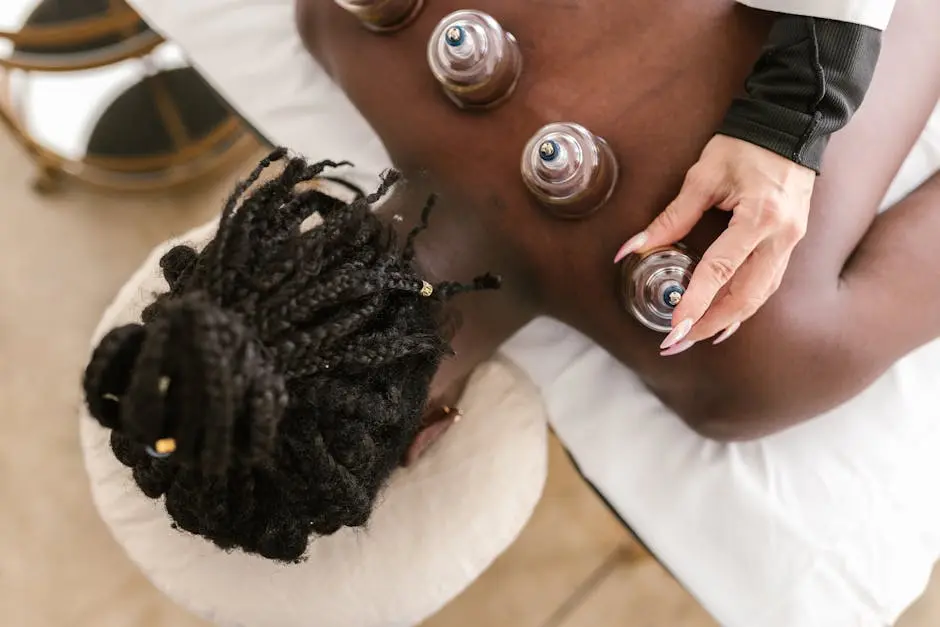
Dry needling has gained popularity as a treatment for muscle pain and tension, but misinformation can create confusion. In this blog post, we’ll tackle the most common myths surrounding dry needling and separate fact from fiction. Let’s get started!
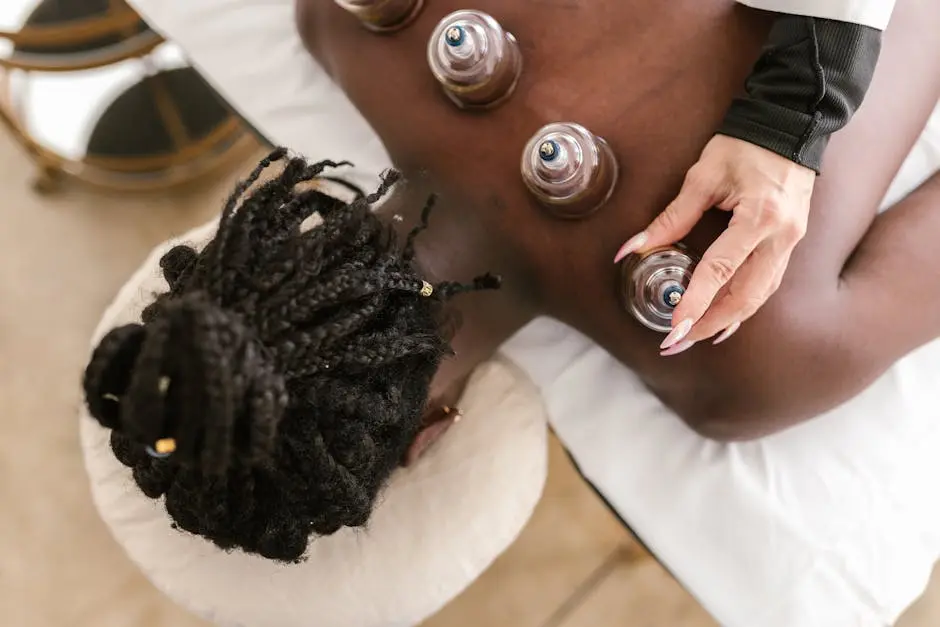
1. Dry Needling Hurts a Lot
Many people believe that the process of dry needling is incredibly painful. However, most patients report only mild discomfort during the treatment, which often subsides quickly. It’s essential to remember that everyone’s pain threshold varies, and what may feel uncomfortable for one person can be bearable for another.
Moreover, the discomfort experienced during dry needling can be a sign that the treatment is working. The technique often targets trigger points within the muscle, which can create temporary sensations as the muscle is released. Patients frequently find that the relief outweighs any initial discomfort.
2. It’s the Same as Acupuncture
While both techniques use needles, dry needling and acupuncture are fundamentally different practices. Dry needling targets muscle pain and trigger points, while acupuncture focuses on energy flow throughout the body’s meridian system. Understanding this distinction helps clarify the intended outcomes of each practice.
It’s fascinating to see how these methods stem from different philosophies. Acupuncture is deeply rooted in traditional Chinese medicine, while dry needling stems from Western medical principles, particularly those related to anatomy and physiology. As a result, practitioners of each discipline have different training and focus areas.
3. Only Trained Physicians Can Perform It
This myth suggests that only medical doctors are qualified to perform dry needling. In reality, many trained physical therapists and other healthcare professionals can effectively administer dry needling after appropriate training. This accessibility can enhance treatment options for patients suffering from chronic pain or muscle tightness.
By allowing professionals from various disciplines to offer dry needling, patients can receive care tailored to their specific needs. The collaboration among different healthcare providers also fosters a holistic approach to treatment. So, if you’re considering dry needling, rest assured that qualified practitioners are available to help you!
4. It’s a New and Unproven Technique
Though it has gained attention in recent years, dry needling has roots in established medical practices. The technique is supported by a growing body of research that highlights its effectiveness. Many studies indicate that dry needling can significantly reduce muscle pain and improve range of motion.
Understanding the history and evolution of dry needling allows us to appreciate its place in modern healthcare. It draws on decades of knowledge regarding myofascial pain and muscle function. Therefore, asserting that dry needling is unproven is not only misleading but overlooks a valuable resource for pain management.
5. You Could Get Infected from Needles
Many worry about infections, but dry needling uses sterile, single-use needles, significantly reducing the risk of any infection when performed by a trained professional. Safety protocols ensure that the environment is clean and hygienic, allowing patients to focus on healing rather than risk.
In fact, understanding these safety measures helps demystify dry needling. Knowing that trained professionals adhere to strict guidelines can alleviate concerns and encourage those who might benefit from the treatment to explore their options without fear.
6. It Works for Everyone
While dry needling can be effective for many individuals, it’s not a one-size-fits-all solution. Different people respond uniquely to treatments, and it’s crucial to consult a healthcare provider to determine if it’s right for you. Factors like medical history, muscle condition, and pain patterns can all play a significant role in the effectiveness of dry needling.
Additionally, some may require other complementary treatments or adjustments to their care plan. No two bodies are the same, and understanding this variation is essential when approaching any therapeutic intervention, including dry needling.
7. Dry Needling Only Benefits Athletes
This myth assumes that only athletes can benefit from dry needling. In fact, anyone experiencing muscle tension or pain can find relief through this technique, regardless of their activity level. Whether you’re a weekend warrior or someone who spends hours at a desk, dry needling can help alleviate discomfort caused by muscle tightness.
It’s important to shift the narrative around dry needling to encompass all individuals. Many patients who lead sedentary lifestyles find it effectively relieves stress-related tension. As awareness grows, more people can engage with this technique, unlocking potential pathways for pain relief they might not have considered.
8. You Need Multiple Sessions for Success
While some patients do find relief after one session, others may require a series to achieve optimal results. It’s essential to work with your healthcare provider to create a personalized treatment plan. The number of sessions needed can vary based on individual responses and the nature of the pain being treated.
This flexibility is a crucial aspect of treatment. By setting realistic expectations and maintaining open communication, patients can better navigate their journeys to recovery, ultimately leading to more effective outcomes.
9. Dry Needling Causes Muscle Damage
Concerns about damage often arise, but dry needling actually promotes healing by stimulating muscle fibers without causing harm. The goal is to release tension, not to injure. In fact, many patients report feeling a sense of relief and improved mobility following the treatment.
Understanding the mechanism behind dry needling can help alleviate fears about potential damage. It works by targeting the specific areas that are causing pain, and instead of exacerbating the issue, it encourages relaxation and recovery.
10. You Can’t Combine Dry Needling with Other Treatments
Many people fear that combining dry needling with other therapies will complicate their recovery. However, dry needling can complement other treatments—working in tandem with physical therapy or massage can enhance overall results. This integrative approach can lead to a more well-rounded treatment experience.
As healthcare continues to evolve, so does our understanding of multi-faceted treatment plans. Collaborating with various health professionals to develop a comprehensive strategy can provide patients with the best possible outcomes, combining the strengths of different modalities to accelerate healing.