

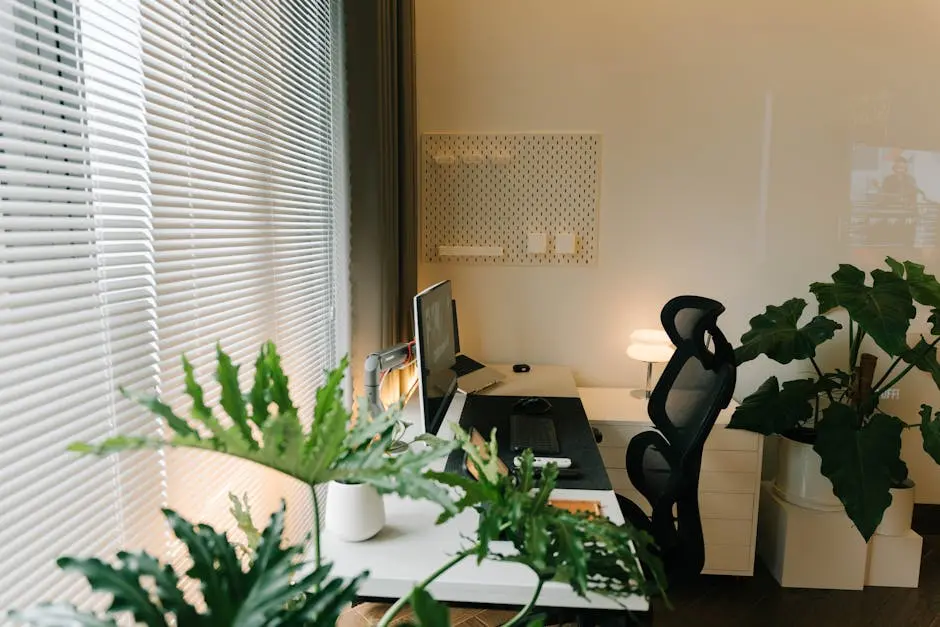
Working from home has its perks, but it can also lead to unwanted back pain if we’re not careful. Whether you’re a seasoned remote worker or just getting started, these tips will help you create a comfortable workspace and maintain a healthy posture throughout your day.
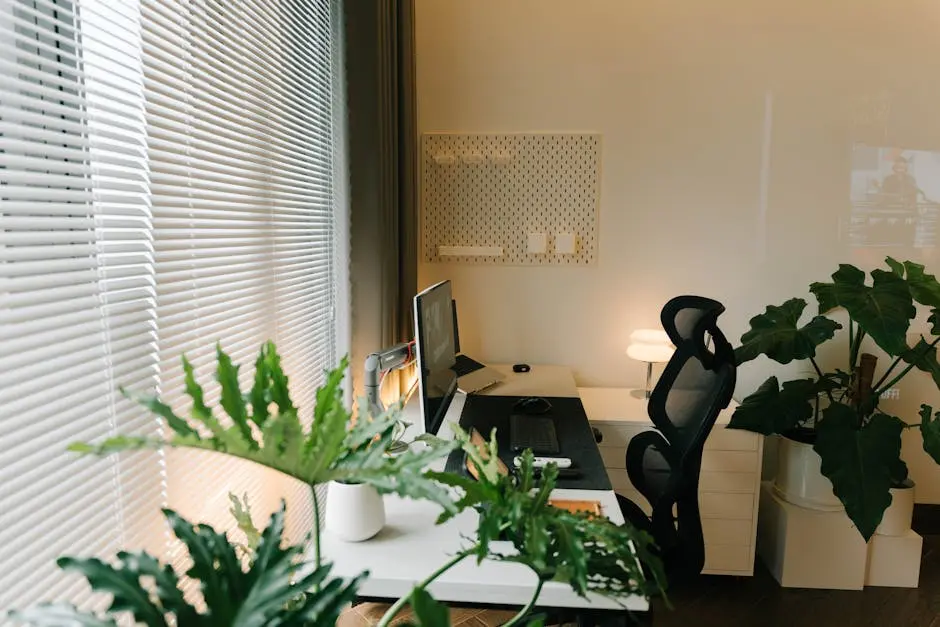
1. Create an Ergonomic Workspace
Start with a desk and chair that support your posture. Adjust your chair height so your knees are at a right angle, and consider a chair with lumbar support. When setting up your workspace, think about the arrangement of your desk, monitor, and other tools. Everything should be easily accessible without straining your body.
An ergonomic setup is more than just a comfortable chair; it’s a holistic approach to your work environment. Position your monitor about an arm’s length away and slightly below eye level. This configuration not only keeps your neck aligned but also allows your back to stay in a relaxed position while you work.
2. Invest in a Quality Chair
A good chair can make all the difference. Look for one that offers support and comfort during long hours of sitting. A chair with adjustable features ensures you find your perfect fit, which is vital since what works for one person may not work for another.
Consider models that promote active sitting, encouraging movement even while you work. These unique chairs can help engage your core and reduce back tension. Don’t be afraid to try out different options! Your office chair is an investment in your health, so make sure it supports your wellbeing.
3. Adjust Your Screen Height
Your computer screen should be at eye level to prevent neck strain. Use a monitor stand or piles of books to achieve the perfect height. A correctly positioned screen prevents you from slouching or leaning forward, which are common causes of back pain.
In addition to height adjustments, ensure your screen is angled slightly away from you. This can help reduce glare and make it easier for you to maintain a neutral posture. Remember, how you position yourself in relation to your screen has a direct impact on your overall comfort during the workday.
4. Practice Good Posture
Aim to sit up straight with your shoulders back. Being mindful of your posture can go a long way in preventing discomfort. Think of your body as a structure that needs proper alignment to function effectively. It’s all about making small adjustments throughout your day.
Consider using reminders, such as alarms or sticky notes, to encourage you to check in with your posture. Simple actions like rolling your shoulders back or adjusting how you sit can make a significant difference. Over time, these mindful practices will become second nature, contributing to a healthier work routine.
5. Take Regular Breaks
Get up every hour to stretch, walk around, or change your position. Short breaks can help reduce tension in your back. Going for a quick walk or doing a few simple stretches during your breaks not only benefits your back but can also boost your overall productivity.
Incorporating movement into your routine can enhance your focus and creativity as well, counteracting the fatigue that comes from prolonged sitting. Even if you love your work, remember that your body needs motion. So, take those breaks seriously—your back will thank you!
6. Incorporate Stretching Exercises
Simple stretches for your back, hamstrings, and hips can relieve tightness and improve flexibility during the workday. Try neck rolls or back twists to release tension accumulated from long hours spent at your desk. These stretches don’t take much time but can have lasting effects.
Consider allocating a few minutes at the start or end of your work session solely for stretching. It’s a fantastic way to unwind and refresh your body, assisting in preventing stiffness. Plus, you’ll find that integrating this small routine can significantly enhance your comfort level.
7. Consider a Standing Desk
If possible, try using a standing desk or a convertible desk that allows you to alternate between sitting and standing. Changing your position can help combat fatigue and discomfort, offering relief to your back throughout the day.
While standing, ensure that you’re still maintaining proper posture. Keep your feet flat, and distribute your weight evenly. Don’t forget to revisit ergonomic principles; standing for long periods without guidance can also lead to discomfort. Finding that sweet balance is harmonious for both your work and your body.
8. Use a Footrest
If your feet don’t touch the ground, a footrest can help maintain proper posture and relieve pressure on your lower back. It’s an often-overlooked solution that can provide immediate comfort. Your legs should be supported, which in turn supports your back.
When you elevate your feet, it helps to promote better circulation as well. This small adjustment can make a big difference. Not only does it reduce fatigue, but it can also enhance your focus and productivity while working.
9. Stay Hydrated
Drinking enough water throughout the day can prevent muscle stiffness and keep you feeling energized and focused. Dehydration can lead to fatigue, which often causes you to slouch or adopt awkward positions at your desk.
So, keep a water bottle nearby! Making hydration a priority will not only enhance your health but also your productivity levels. Consider setting reminders if you tend to forget — staying consistently hydrated is vital for your overall wellbeing.
10. Limit Distractions
Fewer distractions can help you stay focused, leading to less fidgeting and discomfort throughout the day. Create a tidy workspace where everything you need is organized and at your fingertips. A clean environment promotes a clear mind!
Also, consider using noise-canceling headphones if you find background noise distracting. This way, you can immerse yourself in your work more fully, which can help you take fewer breaks to alleviate discomfort. Engaging in your tasks without interruptions can benefit greatly from fewer distractions, leaving you less prone to back pain.
11. Engage Your Core
Strengthening your core muscles can provide better support for your back while sitting or standing. Incorporating exercises like planks or bridges into your routine can make a notable difference over time. A strong core plays a critical role in maintaining posture and reducing strain on your back.
You don’t need to become a fitness guru; even a few minutes a day can yield positive results. Plus, as you get stronger, you’ll find it easier to maintain good posture throughout your workday. A little effort goes a long way when it comes to keeping back pain at bay!
12. Be Mindful of Phone Use
If you’re on the phone for long periods, consider using a headset to avoid straining your neck. Cradling the phone between your ear and shoulder creates tension in your neck and shoulders, ultimately affecting your back as well.
Headsets or speakerphone options allow you to maintain a more neutral alignment while engaging in conversations. Ensure that your workspace accommodates these tools effectively, helping you to converse comfortably without added strain.
13. Limit Laptop Use on Your Couch
While it may be tempting to work from your couch, it often leads to poor posture and increased back pain. Stick to your designated workspace. If a couch is your only option, try to bring the laptop to a table where you can sit upright.
Sitting on the couch can make it easy to sink into a position that promotes discomfort. Instead, find a spot in your home that allows your body to maintain a healthy alignment. Your back deserves dedicated support during your work hours.
14. Seek Professional Advice
If you experience persistent back pain, consider consulting a professional to assess your workspace and posture. This could save you future discomfort by providing tailored advice for your specific needs.
A professional can provide recommendations on the best ergonomic tools suited for you and give you exercises designed to strengthen your core and back. Don’t hesitate to take this important step toward investing in your health and building a sustainable work-from-home setup!
15. Listen to Your Body
Pay attention to any signs of discomfort and take action. Your body knows best—don’t ignore it! If something feels off, it probably is. Make it a habit to check in with yourself, noticing how your back and body feel as you work.
Adjust your position or take a break when needed. By developing this awareness, you allow yourself the opportunity to address discomfort before it escalates. Small changes can lead to significant improvements in your overall comfort and productivity.