

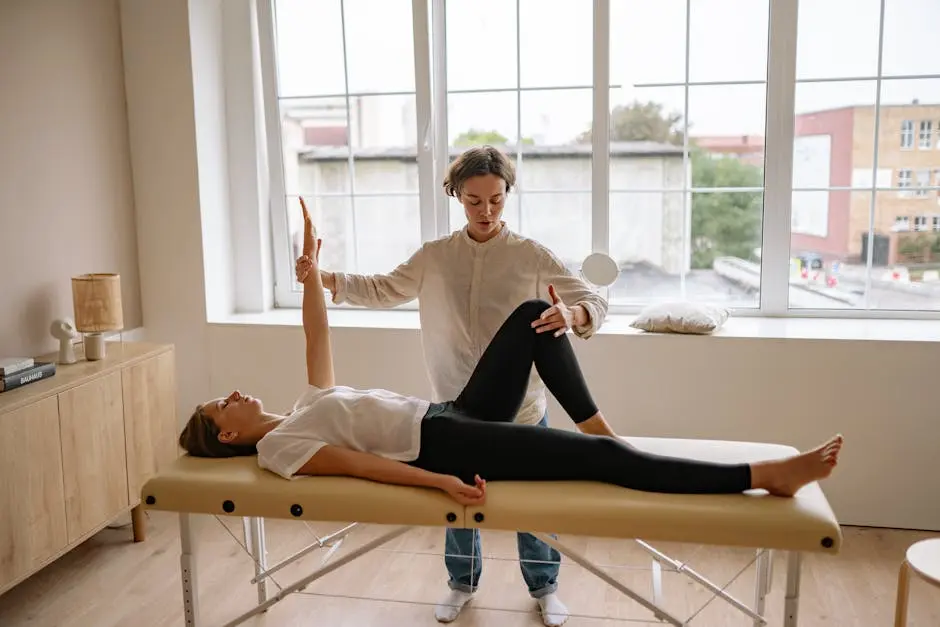
In the world of sports and fitness, athletes are always looking for an edge to improve their performance. One increasingly popular technique is dry needling. This innovative treatment targets muscle tightness and pain, potentially enhancing your athletic abilities. In this blog, we’ll explore what dry needling is, how it works, and its benefits for athletes.
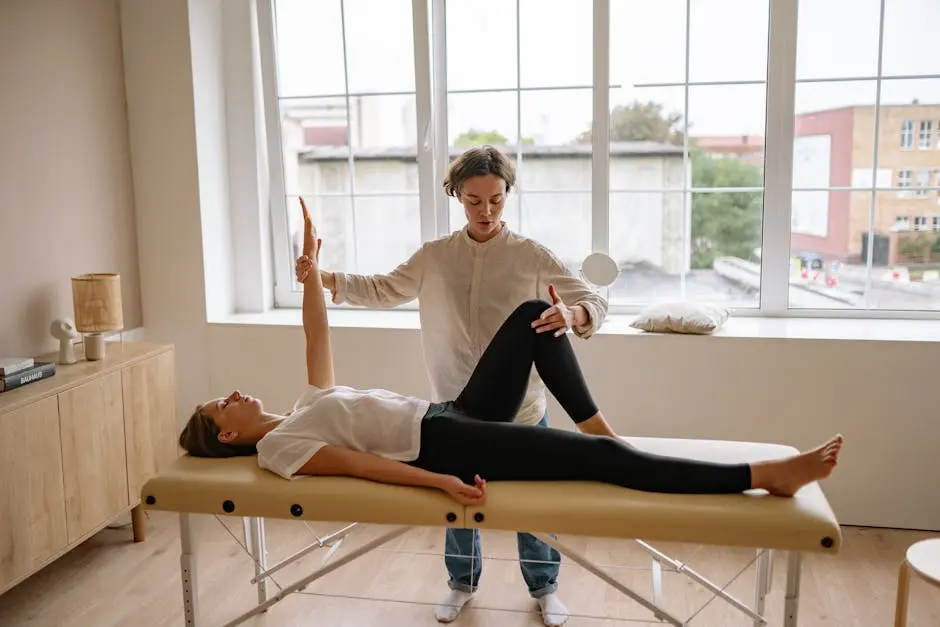
Understanding Dry Needling: What Is It and How Does It Work?
Dry needling is a therapeutic technique that involves the insertion of thin needles into specific trigger points in the muscles. This process helps release tension, reduce pain, and improve blood flow. Unlike acupuncture, which is rooted in traditional Chinese medicine, dry needling focuses on Western anatomy and physiology.
The origins of dry needling can be traced back to the work of Dr. Janet Travell, who identified myofascial trigger points as a source of pain. When muscle fibers become tight and knotted, they can restrict movement and contribute to discomfort. By targeting these trigger points directly with a needle, practitioners aim to stimulate a healing response, activating the body’s natural repair mechanisms.
Understanding how dry needling works opens a window into its effectiveness. When the needle penetrates the skin, it creates a micro-injury, prompting the body to increase blood flow to the area. This response helps flush out toxins and brings in essential nutrients required for recovery. Over time, athletes may notice decreased pain and enhanced flexibility, allowing them to train harder and with greater focus.
The Benefits of Dry Needling for Athletes
Athletes, in particular, can reap several benefits from dry needling. These include faster recovery times, improved range of motion, and decreased muscle soreness. Many athletes report feeling more relaxed and agile after treatment, allowing them to push their limits during training and competitions.
One of the standout advantages is its ability to alleviate chronic pain conditions that athletes often face, like lower back pain and tendonitis. Through targeted relief, dry needling can help athletes maintain consistent training schedules without the interruptions caused by pain or discomfort.
Moreover, dry needling is not only about recovery; it can also serve as a valuable preventive measure. By addressing tight muscles before they lead to injuries, athletes lower their risk of strains and overuse issues. This proactive approach can make a significant difference in an athlete’s performance longevity.
Many athletes also highlight the mental benefits of dry needling. The relaxation experienced during the treatment can help ease performance anxiety and enhance mental clarity. This improved mental state can be just as crucial as physical readiness when stepping onto the field or court.
Integrating Dry Needling into Your Training Routine
For optimal results, it’s essential to integrate dry needling into a comprehensive training routine. Consulting with a qualified practitioner who understands your specific needs will help tailor a treatment plan that best supports your athletic goals.
Athletes are often advised to schedule dry needling sessions during their off-days or as part of their warm-up routine. By strategically timing treatments, athletes can maximize recovery while minimizing the likelihood of soreness impacting their performance in subsequent workouts or competitions.
In addition, communication with your sports coach or trainer is vital. Together, you can develop a holistic approach that combines stretching, strength training, and dry needling sessions, ensuring that every aspect of your training complements the others for optimal results.
Safety and Considerations Before Starting Dry Needling
While dry needling is generally safe, it’s crucial to address any underlying health conditions with your healthcare provider. Understanding potential side effects and ensuring that your practitioner is certified can make your experience both safe and effective.
It’s also essential to maintain a clean and sterile environment during the procedure. This not only minimizes the risk of infection but also ensures that you receive the highest quality of care. Be sure to ask your practitioner about their sanitation practices as well as their professional credentials.
As with any treatment, individual responses to dry needling can vary. Some athletes might experience immediate relief, while others may require several sessions to feel significant benefits. Keeping open lines of communication with your practitioner allows them to adjust your treatment plan as necessary, ensuring that you are on the path to enhanced performance and recovery.
Unlocking Your Full Athletic Potential with Dry Needling
Dry needling has emerged as a promising technique to help athletes recover faster, improve mobility, and ultimately enhance performance. By integrating this therapy into your training regimen, you may find yourself not just recovering better but also reaching new heights in your athletic endeavors.