

Joint replacement surgery can be a transformative procedure, but the road to recovery can often feel daunting. Physiotherapy plays a crucial role in this recovery process, helping patients regain strength and mobility. In this blog, we will explore how physiotherapy can improve your recovery after a joint replacement, addressing common questions and steps involved in the process.
Understanding Joint Replacement Surgery
Before diving into rehabilitation, it’s important to understand what joint replacement surgery entails. This section will cover the basics of the procedure and what patients can expect post-surgery.
Joint replacement surgery involves removing damaged joints and replacing them with artificial ones. These procedures are commonly performed on knees and hips, addressing issues like arthritis or severe injuries. After the surgery, patients may initially experience pain and swelling, but this is a normal part of recovery and should be managed through proper care.
A critical phase follows surgery, where the focus shifts to healing. While rest is necessary, gradually increasing movement is vital for recovery. Understanding the surgical process helps demystify what comes next and emphasizes the importance of following a structured rehabilitation plan.
The Role of Physiotherapy
Physiotherapy is a vital component of post-operative care. Here, we’ll discuss how physiotherapists help patients recover through tailored exercise programs and manual therapy.
Physiotherapists are trained to assess each patient’s individual needs. They develop customized rehabilitation programs to address pain management, strength building, and improving the range of motion. By focusing on these areas, patients can expect smoother transitions into their daily activities.
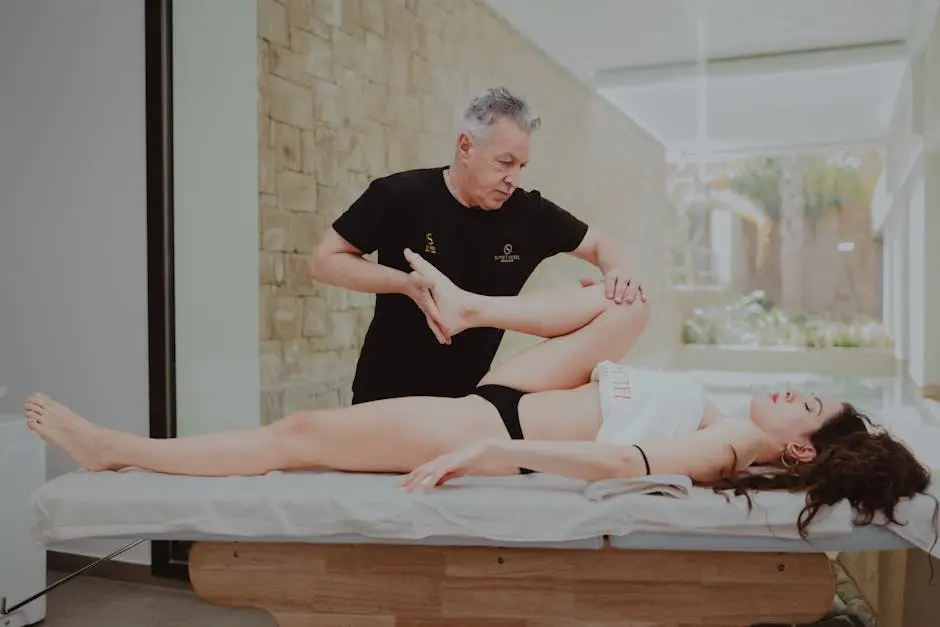
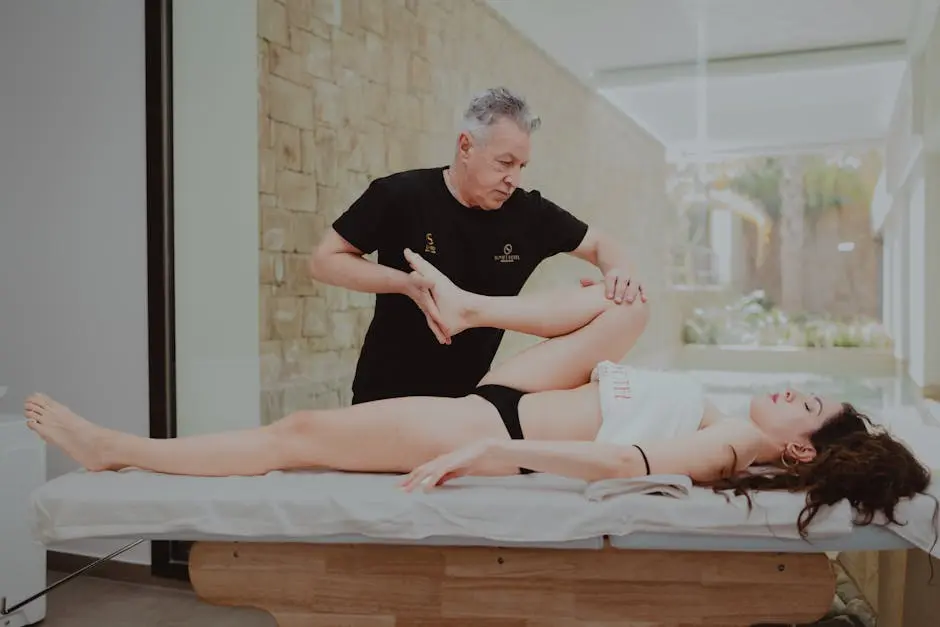
Additionally, physiotherapists employ various manual therapy techniques like joint mobilization. These hands-on methods are highly effective in reducing pain and enhancing mobility. Throughout the journey, open communication with the physiotherapist helps ensure that adjustments are made according to the patient’s progress.
Benefits of Physiotherapy in Recovery
From reducing pain to improving mobility, this section outlines the key benefits of engaging in physiotherapy after joint replacement surgery.
One of the primary benefits of physiotherapy is effective pain management. Techniques such as cold therapy and specific exercises can significantly alleviate discomfort. With reduced pain, patients are more likely to participate in their recovery actively.
Furthermore, physiotherapy helps restore the functional abilities that may have diminished pre-surgery. By engaging in guided exercises, patients can rebuild muscle strength and regain their confidence in movement. Ultimately, this contributes to a more fulfilling and active lifestyle post-recovery.
In addition, working with a physiotherapist motivates patients. They serve as coaches, providing encouragement and adjusting treatment plans to maintain progress and enthusiasm. This support can make a significant difference in compliance with rehabilitation protocols.
Common Physiotherapy Techniques Used
Learn about various physiotherapy techniques, such as range of motion exercises, strength training, and functional activities, that can aid in your recovery journey.
Range of motion exercises play a crucial role in physiotherapy, especially after surgery. These exercises help restore flexibility in the affected joint, making it easier for patients to go about their daily routines without limitations. Performing these exercises consistently helps to break down scar tissue formed after surgery, particularly in the early stages of recovery.
Strength training is another foundational technique. By enhancing muscle strength around the joint, patients can better support their new joint replacements. This not only aids in mobility but also minimizes the risk of future injuries. Your physiotherapist will guide you through a program tailored to your needs, gradually increasing intensity as your recovery progresses.
Functional activities, or movements that mimic daily tasks, are woven into physiotherapy sessions. These exercises focus on practical application — walking, climbing stairs, or bending down — ensuring that you’re fully equipped to return to your usual activities post-recovery.
Setting Realistic Recovery Goals
Setting achievable goals is crucial for motivation and success. This section offers tips on how to establish realistic recovery milestones with the help of your physiotherapist.
Recovery from a joint replacement is a journey that often takes time and patience. Therefore, it’s essential to set small, manageable goals rather than overwhelming yourself with expectations. Your physiotherapist can assist you in identifying these milestones, adjusting them as your recovery evolves.
For instance, you might begin with a goal of moving a certain distance with crutches. As you achieve each milestone, you can build upon it, creating a sense of accomplishment that keeps you motivated. Remember, every patient’s journey is different, so listening to your body and collaborating with your physiotherapist is crucial.
When to Seek Help from a Physiotherapist
Knowing when to consult a physiotherapist is key. Here, we’ll cover signs that indicate the need for professional intervention during your recovery.
If you experience persistent pain that doesn’t diminish with rest and prescribed exercises, it’s a sign to reach out to your physiotherapist. Other red flags include swelling that does not decrease, limited mobility that hinders daily activities, or a feeling of instability in the joint.
Additionally, if you find that your recovery is plateauing and you’re not making the expected progress, it may be time for a professional evaluation. Your physiotherapist can reassess your treatment plan and adjust it for optimal results. Ignoring these warning signs could prolong your recovery and impact your overall well-being, so it’s always best to stay proactive.
Recap: The Importance of Physiotherapy in Recovery
Incorporating physiotherapy into your joint replacement recovery can significantly enhance your healing process. With the right approach and the guidance of a skilled physiotherapist, you can reclaim your mobility and enjoy life again. Remember, every journey is unique, so listen to your body and seek professional advice tailored to your needs.