

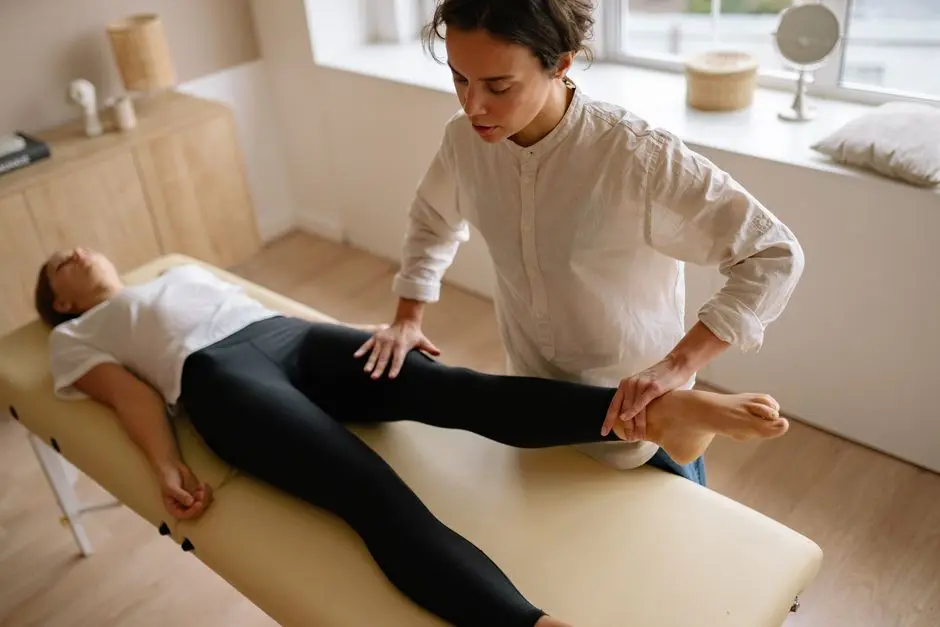
Physiotherapy is more than just a means to heal; it’s a pathway to recovery, enhanced mobility, and improved quality of life. In Ottawa, physiotherapy has become an essential part of many individuals’ journeys to better health. In this blog post, we’ll explore ten different ways that physiotherapy in Ottawa can support your recovery and help you regain your strength and confidence.
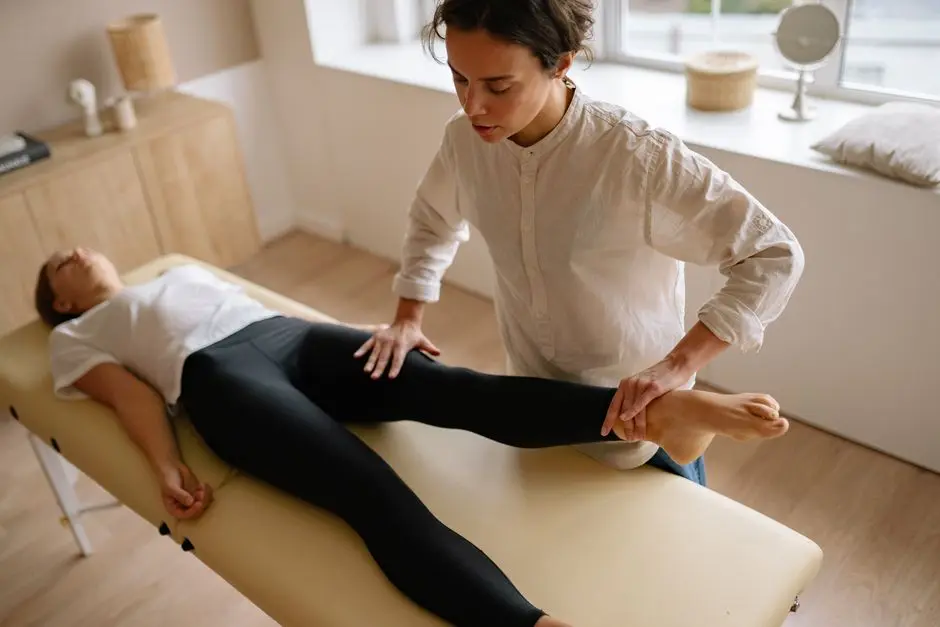
1. Personalized Assessment and Treatment Plans
Each person’s recovery journey is unique, and physiotherapists in Ottawa conduct thorough assessments to design tailored treatment plans that address specific needs.
This personalized approach is crucial; it means that your recovery is not a cookie-cutter process, but rather a carefully crafted plan based on your individual circumstances. By understanding your medical history, lifestyle, and specific challenges, physiotherapists create a roadmap that can lead to faster and more effective recovery.
After the initial assessment, many physiotherapists will continually reassess your progress, making necessary adjustments to your treatment plan. This ongoing evaluation ensures that you are always receiving the most effective care possible, keeping your recovery on track.
2. Pain Management Techniques
Through a variety of methods such as manual therapy, exercise, and modalities like ultrasound, physiotherapy can effectively reduce pain levels. This holistic approach to pain management is particularly helpful for those dealing with chronic pain conditions.
Not only do physiotherapists target the source of your pain, but they also provide education on how pain works and how to manage it. Understanding your pain can empower you and lead to more proactive engagement in your recovery journey.
Furthermore, many patients find that with regular physiotherapy sessions, they experience an overall reduction in pain and an improved ability to perform daily tasks. This newfound freedom can significantly enhance your quality of life.
3. Movement and Mobility Improvement
Physiotherapy focuses on restoring movement and function, helping individuals regain their ability to perform daily activities with ease. Whether you’re recovering from an injury or dealing with a chronic condition, the goal is to enhance your mobility and overall functionality.
One key aspect is that physiotherapists employ specific stretching and strengthening exercises targeting your body’s particular limitations. By gradually challenging your range of motion, they make it possible for you to achieve movements that may have once felt impossible.
As you progress, the sense of accomplishment from regaining movement can boost your confidence—restoring not just your physical capabilities but also your mental resilience.
4. Strengthening Exercises for Better Recovery
Customized strengthening exercises help rebuild muscle strength, which is crucial for recovery and preventing future injuries. Your physiotherapist will design a program specific to your needs, ensuring each exercise contributes meaningfully to your rehabilitation.
These exercises often begin with low resistance and gradually increase in intensity as your strength improves. This progressive loading not only helps in building muscle but also instills a sense of accomplishment as you see measurable improvements over time.
Moreover, strengthening your muscles prepares your body to better handle everyday movements and activities, making you less susceptible to injury in the future. This preventive aspect is vital for long-term health.
5. Education on Body Mechanics
Physiotherapists educate patients on proper body mechanics and posture, which can prevent strain and injury during everyday activities. This knowledge is not just theoretical; practical tips are integrated into your sessions, creating a hands-on learning experience.
Understanding how to lift heavy objects correctly, maintaining good posture while sitting, and even proper walking techniques can make a significant difference in how your body feels. These fundamentals help ensure that you’re not only recovering but also setting the stage for sustained health.
Moreover, having this ongoing conversation about body mechanics establishes a culture of awareness, encouraging you to be proactive about your physical health in all aspects of life.
6. Injury Prevention Strategies
Understanding risk factors and learning preventive strategies can significantly reduce the likelihood of future injuries, guiding individuals towards a healthier lifestyle. Isolating the movements or habits that contributed to your previous injuries is a critical step that physiotherapists are trained to take.
Through detailed education and targeted exercises, you’ll gain insights into how to protect your body. Not only will you be able to apply these strategies during your rehabilitation, but you’ll also carry this knowledge into your everyday life, making better choices and being more mindful of your body.
7. Posture Correction Methods
Poor posture can lead to a range of health issues; physiotherapy can address and correct these problems, resulting in better overall well-being. Your physiotherapist will help you identify your specific postural challenges and provide tailored solutions that promote better alignment.
As you work together, you might incorporate specific exercises focused on strengthening weakened areas while stretching tight muscles, creating a more balanced and supportive structure for your spine and joints.
The benefits of improved posture extend beyond just physical comfort; they can enhance your mood, energy levels, and even productivity, creating a positive feedback loop in your daily life.
8. Support During Recovery from Surgery
After surgery, physiotherapy plays a vital role in rehabilitation, helping speed up recovery and restore function effectively. The focus is not merely on healing but on facilitating a full return to your pre-surgery activities.
Physiotherapists will work with you to create a structured recovery plan that addresses post-operative pain, restrictions, and mobility challenges. This focused support is crucial for navigating the often-daunting recovery process.
By actively participating in your rehabilitation, you’ll be empowered with the tools you need to take control of your recovery journey, making it not just a series of appointments but a proactive approach to your health.
9. Guidance Through Chronic Health Issues
For those with chronic conditions, physiotherapists provide vital support, helping manage symptoms and improve quality of life. Understanding that a chronic condition may not have a ‘cure’ can be daunting, but physiotherapy can offer strategies for living well with pain.
Through tailored exercise programs and personalized treatment, you’ll learn how to manage your condition effectively. This might involve techniques to deal with flare-ups, overall lifestyle advice, and practical coping mechanisms.
Moreover, ongoing support and encouragement from your physiotherapist can feel like a safety net, giving you the confidence to engage in activities you enjoy, all while managing your chronic health condition.
10. Access to Advanced Rehabilitation Technologies
Many physiotherapy clinics in Ottawa are equipped with advanced technologies that enhance treatment effectiveness and recovery speed. This encompasses a range of modalities from electrical stimulation to robotic-assisted therapies—tools designed to support your rehabilitation.
Access to these technologies not only optimizes the treatment you receive but also opens up new possibilities for recovery that may have seemed out of reach. For instance, certain devices can facilitate movement much earlier than conventional methods.
As technology continues to evolve, being part of a progressive treatment facility can greatly influence your recovery experience, making it more efficient and, ultimately, more rewarding.