

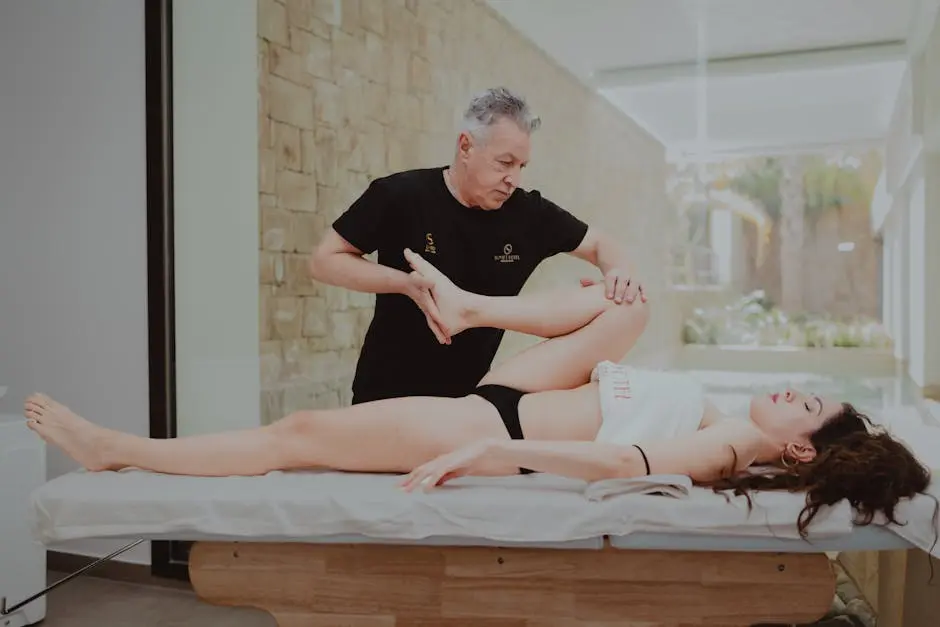
Recovering from an injury or surgery can be challenging, but incorporating the right exercise therapy techniques can make a significant difference in your healing journey. In this article, we will explore ten practical and effective tips that will help you regain your strength and mobility while ensuring a smoother recovery process. Let’s dive into these friendly and accessible strategies!
1. Understanding the Importance of Exercise Therapy
Exercise therapy plays a crucial role in improving your physical abilities post-injury. It helps in reducing pain, enhancing mobility, and restoring strength, setting the stage for a successful recovery.
But what exactly does exercise therapy entail? It’s not just about hitting the gym or sticking to a strict regimen. Exercise therapy encompasses a range of activities tailored to your specific needs, focusing on functional movement and rehabilitation. What might seem daunting at first can actually be an engaging journey towards holistic wellness.
2. Setting Realistic Recovery Goals
Establishing clear and achievable goals is essential. These goals will give you direction and motivation throughout your recovery process, and they should be tailored to your individual needs.
Begin by breaking your recovery journey into manageable milestones. For instance, rather than aiming to run a marathon immediately after surgery, set smaller targets like walking 10 minutes a day. Celebrating these incremental victories can fuel your enthusiasm and keep you motivated, helping to build momentum as you progress through each stage of recovery.
3. Incorporating Gentle Movements
Start with gentle range-of-motion exercises to promote circulation and flexibility. This can help prevent stiffness while preparing your body for more intensive workouts down the line.
Think of these early movements as your body’s warm-up to its recovery process. Simple actions like arm raises, ankle rolls, or stretching can keep your joints limber and maintain muscle activity. While it may feel counterintuitive to move when you’re in pain, these small actions are pivotal in paving the way for more rigorous exercises later.
4. Listening to Your Body’s Signals
Always pay attention to how your body responds to exercise. If you feel pain or discomfort, it’s essential to modify your activities or take a step back to avoid further injury.
Your body is like a reliable compass, guiding you through the recovery maze. Not only should you heed signals of distress, but also recognize signs of improvement. Learning this balance can empower you to push yourself, but in a safe and informed way. This awareness is a skill that grows with practice and patience.
5. Gradually Increasing Intensity
As you gain confidence, gradually increase the intensity of your exercises. This progression will help you build strength without overwhelming your body.
A common mistake many make is rushing back into high-impact workouts too soon. Instead, think of recovery as navigating a staircase: take one step at a time. When you add intensity, it could mean incorporating resistance bands, light weights, or resistance training based on your comfort level and your body’s capacity to handle stress.
6. Mixing Up Your Routine
Variety can make your recovery more enjoyable. Incorporate different forms of exercise like swimming, yoga, or cycling to keep things interesting and to work various muscle groups.
Just like a well-balanced diet, a diversified workout routine helps target different muscle groups and avoids repetitive strain. Swapping out one activity for another can reignite your passion for movement. For those days when motivation wanes, trying out a fun new class or activity can spark joy in your journey toward healing!
7. Working with a Professional
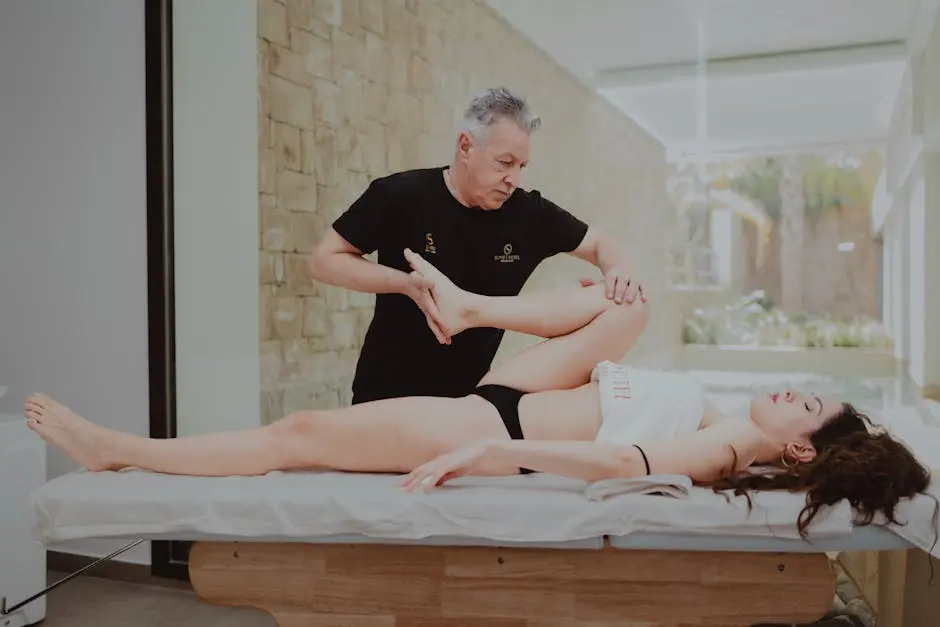
Consider collaborating with a physical therapist or certified trainer who specializes in exercise therapy. Their expertise can provide valuable guidance tailored to your specific situation.
A professional can help customize your recovery plan, taking into account your medical history, current abilities, and ultimate goals. Whether it’s refining your technique or suggesting alternative movements, their support can amplify your progress and ensure that you’re on the right track.
8. Staying Hydrated and Nourished
Hydration and nutrition are vital components of recovery. Ensure you’re consuming a balanced diet and drinking enough water to support your body’s healing processes.
Think of food as fuel for your recovery engine. Nutrient-rich foods help repair tissues and promote recovery, while staying hydrated allows your body to function efficiently. Incorporating fruits, vegetables, lean proteins, and whole grains can create a supportive foundation for your rehabilitation efforts.
9. Incorporating Mindfulness Techniques
Mindfulness practices such as meditation or deep breathing can help manage pain and anxiety during your recovery. Staying mentally engaged is just as important as the physical aspect.
Being present during your recovery allows you to acknowledge your feelings without judgment. Techniques like deep breathing can reduce stress levels, making your physical therapy sessions more productive. Pairing mindfulness with exercise can become an effective way of integrating your mental and physical healing.
10. Celebrating Small Wins
Don’t forget to celebrate the small achievements along the way. Recognizing progress, no matter how minor, can boost your motivation and encourage a positive mindset.
These little victories, whether it’s adding an extra minute to your walk or lifting a heavier weight, deserve acknowledgment. Make it a habit to reflect on how far you’ve come. Creating a recovery journal to track your progress can serve as a tangible reminder of your journey—something to look back on with pride.