

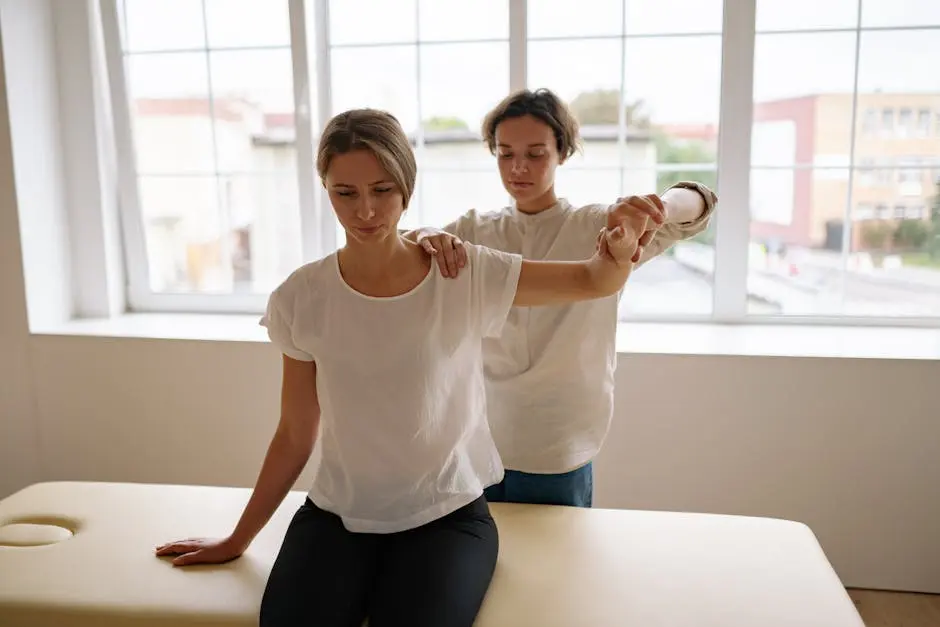
Shoulder pain can be a real nuisance, impacting everything from your workout routine to daily activities. The good news is that there are several effective exercises designed to alleviate this discomfort and strengthen your shoulders. In this blog post, we’ll explore ten simple exercises that anyone can do to help relieve shoulder pain and improve mobility. Let’s get started!
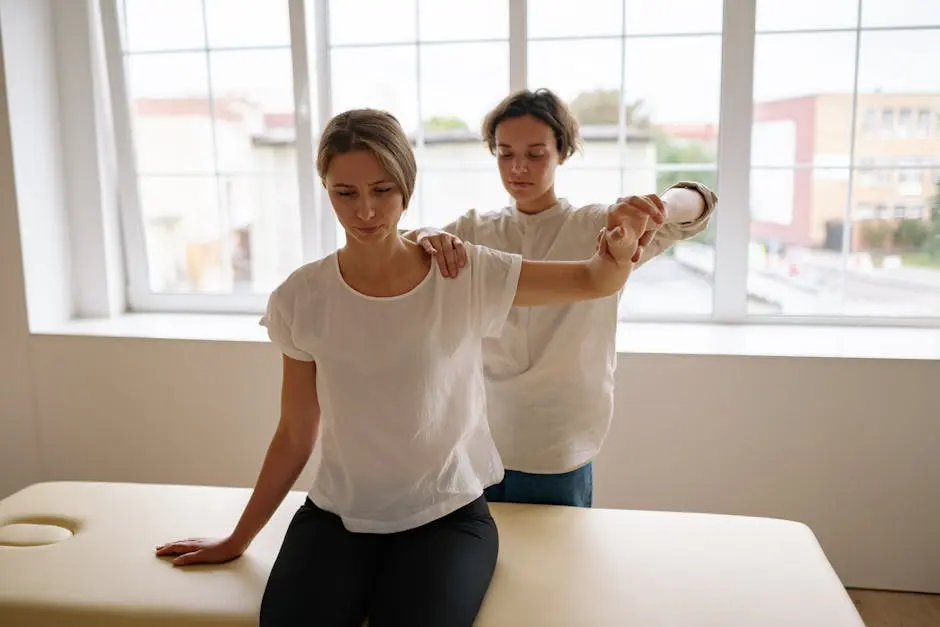
1. Gentle Neck Stretches
Neck stretches can help release tension in the shoulder area and promote relaxation. These stretches do not require any special equipment and can easily be done at your desk or during a break at home. By gently tilting your head from side to side and forward, you can alleviate the tightness that often accompanies shoulder pain. It’s a simple, yet effective way to begin addressing discomfort.
As you practice these stretches, focus on your breathing. Inhaling deeply while holding the stretch can enhance the benefits, allowing for more oxygen to flow to those tight muscles. Moreover, try to hold each position for at least 15 seconds. This duration may seem brief, but it’s all you need to start feeling the relief. Incorporating neck stretches into your daily routine can significantly contribute to long-term shoulder health.
2. Shoulder Shrugs
You might also find it helpful to incorporate shoulder rolls after your shrugs. Rolling your shoulders backward and then forward can enhance circulation and minimize stiffness. Add this quick routine to your morning ritual or even during work breaks. Just a couple of minutes can make a noticeable difference in how your shoulders feel throughout the day.
3. Wall Angels
Wall angels are excellent for improving shoulder mobility and posture by engaging the shoulder blades. To perform this exercise, start by standing with your back against a wall and your feet about four inches away. Your arms should be raised to resemble a ‘W’ shape, with your elbows bent and fingers pointing upwards. Slowly slide your arms up the wall, stretching them into a ‘Y’ shape, and then reverse the motion. This gentle movement opens up the shoulders and chest while correcting posture.
One of the biggest benefits of wall angels is their ability to promote awareness of your posture. During the exercise, you’ll notice any tendency to arch your back or lift your head away from the wall. Awareness is half the battle in correcting posture-related shoulder pain, and regular practice can lead to noticeable improvements over time.
4. Cross-Body Shoulder Stretch
This stretch effectively targets the rear part of the shoulder and promotes flexibility. By gently pulling one arm across your body with the help of your other arm, you’re giving those tight muscles a well-deserved release. Make sure to keep your shoulder down and away from your ear for the best results. Hold this stretch for about 15-30 seconds on each side, allowing your muscles to relax fully.
Don’t rush through it. Enjoy the sensation of stretching as you breathe deeply. This is a great exercise to include in your daily routine, especially if you often find yourself sitting at a desk or in front of a computer. Consistent practice can lead to improved shoulder function and a reduction in discomfort.
5. Doorway Stretch
Utilizing a doorway, this stretch opens up the chest and helps ease shoulder tightness. To perform the doorway stretch, stand in a doorway with your arms bent at a 90-degree angle, placing your forearms on the doorframe. Step through the doorway gently, allowing your chest to expand and your arms to stretch outwards. This movement is especially beneficial if you spend a lot of time hunched over a desk or a screen. It counteracts that forward posture by stretching the chest and shoulders.
Remember to breathe deeply as you hold the stretch, and keep your shoulders relaxed. This helps maximize the stretch and encourages more profound relief. Aim to hold the stretch for 20-30 seconds for optimal results. Regularly incorporating this easy exercise into your routine can improve flexibility and significantly reduce shoulder discomfort.
6. Resistance Band Pull-Apart
A resistance band helps strengthen the shoulders and upper back while improving the range of motion. To perform this exercise, stand with your feet shoulder-width apart and hold the resistance band with both hands, palms facing down. Keep your arms straight and pull the band apart until it’s at chest level, squeezing your shoulder blades together. This movement not only builds strength but also reinforces good posture, which can often be a contributor to shoulder pain.
Aim for 12-15 repetitions, taking your time to focus on form. As you progress, you can increase the difficulty by using a band with more resistance or trying the exercise with one arm. The versatility of resistance bands means that you can adapt the exercise to your strength level, making it suitable for everyone.
7. Pendulum Stretch
This exercise encourages joint mobility and reduces pain by gently swinging the arm. You can perform this stretch by leaning forward slightly and allowing your affected arm to hang down. Then, use your body to create small circular motions, letting gravity do the work. This low-impact movement is fantastic for those dealing with shoulder injury or stiffness and can be performed anywhere.
While it’s a simple motion, the pendulum stretch can provide profound relief. Aim to spend a few minutes doing this exercise a couple of times a day. The key is to allow your arm to hang freely and to relax into the motion. The gentle swinging helps to ease tension in the shoulder joint and can lead to gradual improvement in flexibility and pain reduction.
8. Seated Row with Resistance Bands
Reinforcing the muscles that support the shoulder, seated rows can help build strength and alleviate pain. For this exercise, sit on the floor with your legs extended, securing the resistance band around your feet. Pull the band towards you while keeping your elbows close to your body. Focus on squeezing your shoulder blades together as you pull, which builds strength in the upper back and shoulders. This exercise not only helps alleviate pain but also promotes a stable shoulder structure.
Aim for 10-15 repetitions, and feel free to adjust your grip or band strength as needed. If you have access to weights, you could also integrate this movement into weight training for an added challenge. Regular practice can lead to improved shoulder stability and a significant reduction in pain.
9. Cobra Stretch
The cobra stretch aids in opening up the chest and promoting flexibility in the shoulder area. To do this stretch, lie face down and place your hands beneath your shoulders. Push through your palms to lift your chest, while keeping your pelvis on the ground. This position provides a great stretch for the front of your shoulders and can help counteract the effects of poor posture.
As with other stretches, remember to breathe deeply and hold the position for 15-30 seconds. Repeating this exercise a few times a day can foster a greater range of motion in your shoulders and alleviate discomfort significantly. Enjoy the sensation of the stretch, and appreciate the time you take for your body.
10. Child’s Pose
Ending our list with child’s pose, a great restorative pose that helps release tension in the shoulders and back. To perform this pose, kneel on the floor, sit back on your heels, and reach your arms forward on the ground. Allow your forehead to rest on the mat. This gentle stretch provides a sense of calm while effectively lengthening your spine and relieving any residual tension in your shoulders.
Child’s pose can be your go-to stretch at the end of a workout or simply a moment to relax during a busy day. Holding this pose for a minute or two can help you collect your thoughts and check in with your body. As you breathe out slowly, visualize any stress or tightness melting away.